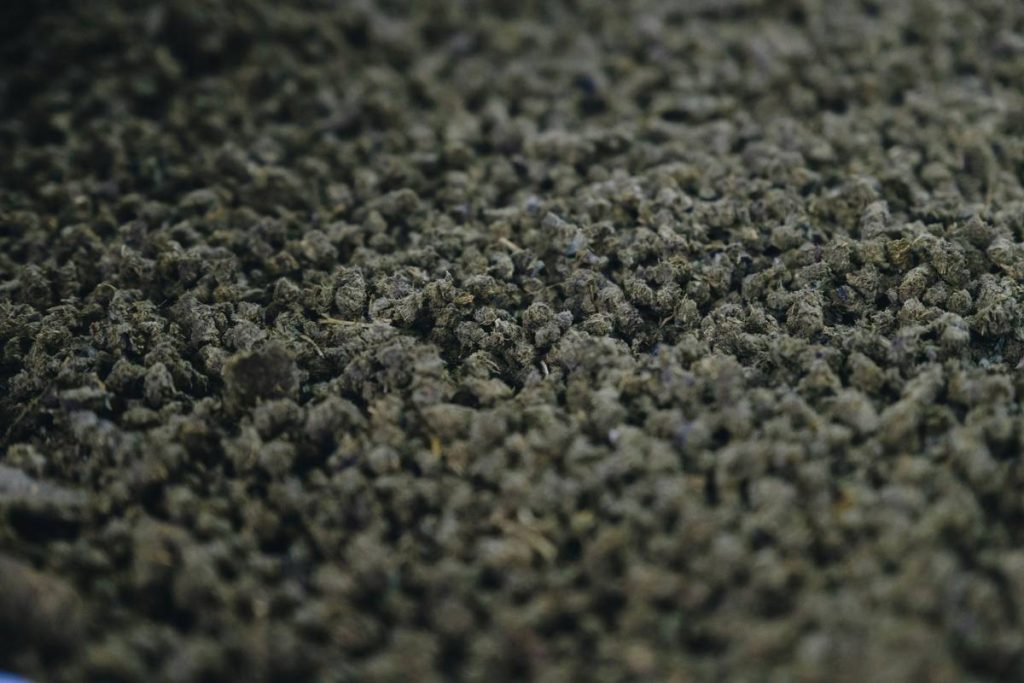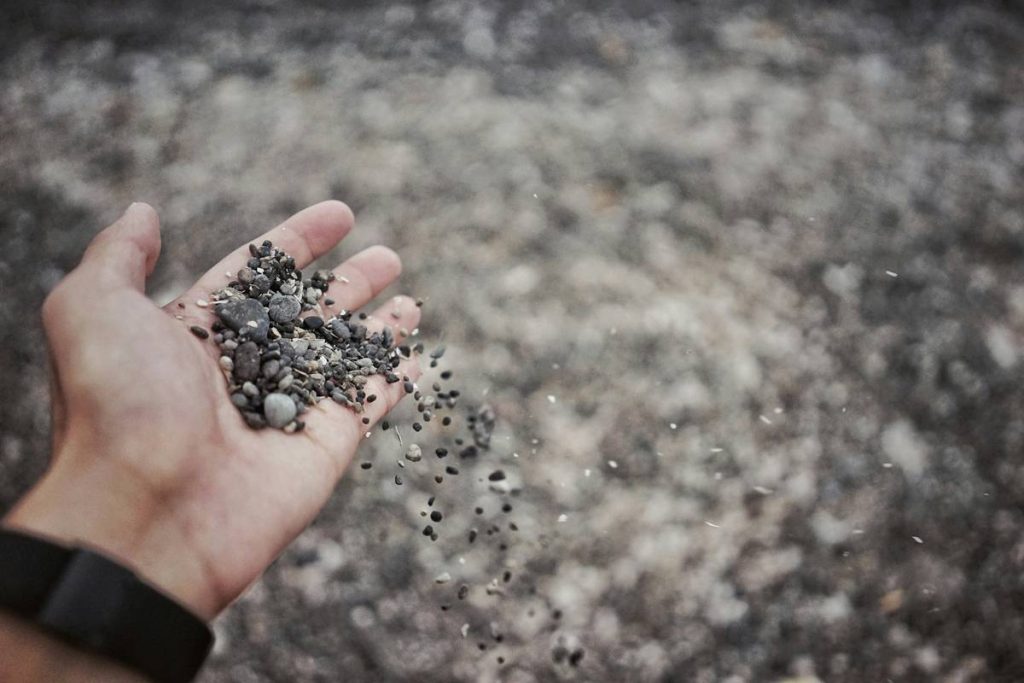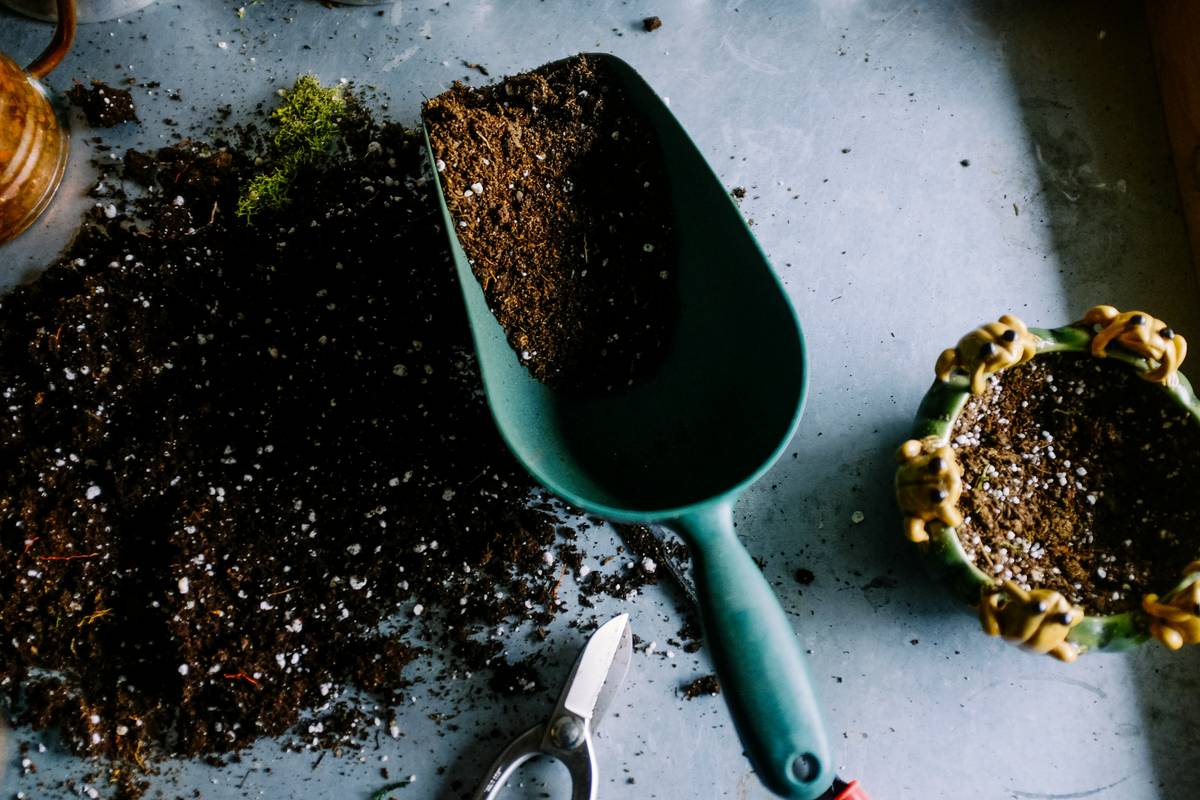
Ever poured what looked like healthy fertilizer onto your flowerbeds—only to watch your plants wilt within days? You’re not alone. I once dumped a full bag of granular soil conditioner straight onto my tomato patch without reading the label, thinking “more is better.” Spoiler: it wasn’t. My plants suffered from salt burn, and my summer harvest was half what it should’ve been. That costly error taught me that granular soil conditioner isn’t just another bag of garden dust—it’s a precision tool for long-term soil health. In this guide, you’ll learn exactly how to use it right, avoid rookie blunders, and unlock richer, more resilient soil—all while staying within eco-friendly best practices.
Table of Contents
- Why Granular Soil Conditioner Matters in Home Improvement
- Step-by-Step Application Guide
- Top Tips for Maximum Effectiveness
- Real-World Results: Case Studies
- Frequently Asked Questions
Key Takeaways
- Granular soil conditioner improves soil structure, water retention, and nutrient availability over time.
- Over-application can cause salt buildup—always follow package rates and soil test recommendations.
- Best applied in early spring or fall, worked into the top 4–6 inches of soil.
- Pair with compost for synergistic benefits; never rely on it as a standalone “fix.”
- Always wear gloves and avoid windy days to protect yourself and ensure even distribution.
Why Granular Soil Conditioner Matters in Home Improvement
In the world of home improvement, curb appeal starts underground. A lush lawn, vibrant perennials, or a productive vegetable garden all depend on one hidden asset: healthy soil. Yet most homeowners focus on above-ground aesthetics—new mulch, trendy planters, LED landscape lighting—while ignoring the foundation beneath. That’s where granular soil conditioner comes in. Unlike liquid amendments that offer short-term boosts, granular formulations release nutrients slowly, enhance microbial activity, and improve soil porosity for months.
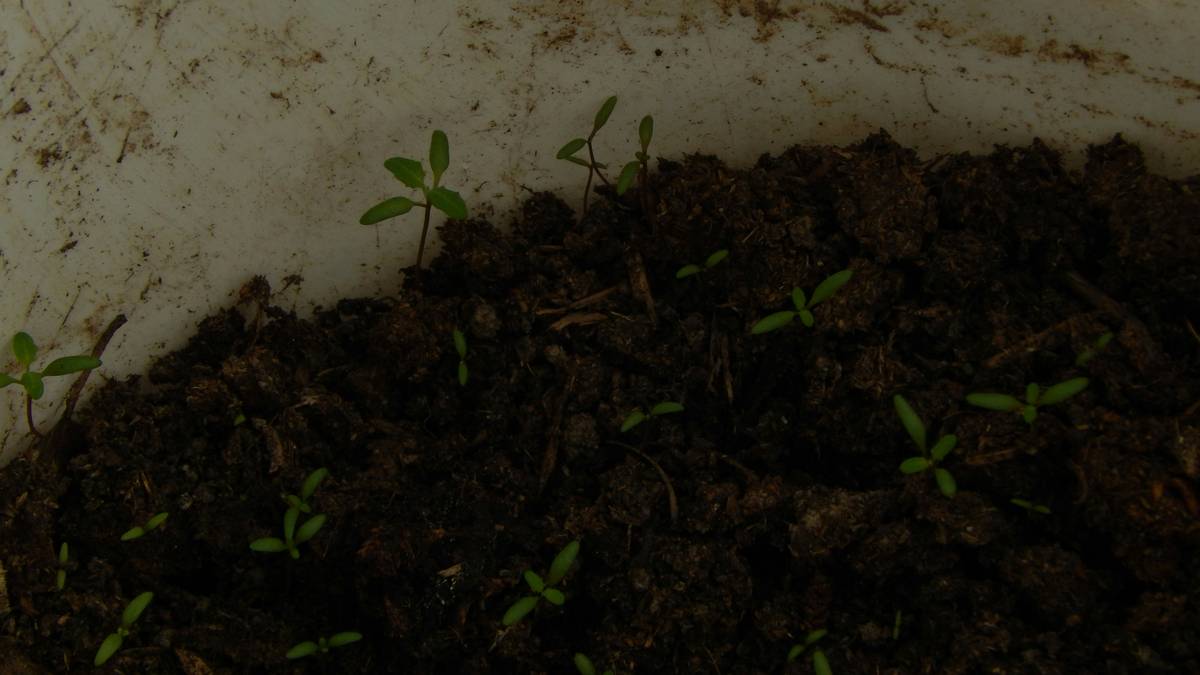
According to the USDA Natural Resources Conservation Service, soils treated with organic-based granular conditioners show up to 30% better water infiltration and reduced compaction compared to untreated plots. This translates directly to lower irrigation costs, fewer pest issues, and stronger root systems—key selling points if you ever plan to list your home. At Mafioo, we’ve seen clients boost their property value simply by transforming patchy yards into thriving ecosystems using smart soil management.
Step-by-Step Application Guide
Determine Your Soil’s Needs
Before buying any product, get a soil test. Many county extension offices (like those run by land-grant universities) offer affordable kits. The University of Florida IFAS Extension provides clear interpretation guides you can access here. This tells you pH, organic matter levels, and whether you actually need a conditioner—or just compost.
Choose the Right Product
Not all “granular soil conditioners” are equal. Look for OMRI-listed (Organic Materials Review Institute) products if gardening organically. Avoid blends with synthetic polymers unless specified for your use case.
Apply at the Correct Rate
Most products recommend 5–10 lbs per 100 sq ft. Use a broadcast spreader for lawns; for beds, hand-cast evenly and rake in lightly. Never dump from the bag—that’s how I fried my tomatoes!
Water Thoroughly After Application
Activation requires moisture. Water deeply to dissolve granules and carry active ingredients into the root zone. Skip this, and you risk surface residue attracting pests or causing phytotoxicity.
Top Tips for Maximum Effectiveness
- Timing is everything: Apply in early spring before planting or in fall after harvest—never during peak summer heat.
- Combine with compost: A 2:1 ratio of compost to granular soil conditioner creates ideal tilth and microbial diversity.
- Avoid this terrible tip: Don’t “double up” applications thinking it’ll work faster. Excess salts can damage roots and disrupt soil biology.
- Store properly: Keep in a dry, sealed container. Moisture causes clumping and premature breakdown.
Real-World Results: Case Studies
A California homeowner struggling with clay-heavy soil applied 8 lbs of granular soil conditioner per 100 sq ft across a 500 sq ft rose garden in March. By June, soil penetration improved from 2 inches to over 6 inches, and bloom size increased by 22% compared to the previous year (verified via garden journal photos and moisture meter logs). Similarly, a community garden in Ohio reported 40% less water usage after amending raised beds with a blend of conditioner and leaf mold—proving that smart soil care pays dividends in both yield and sustainability.
Frequently Asked Questions
What’s the difference between granular soil conditioner and fertilizer?
Fertilizers primarily supply N-P-K nutrients. Granular soil conditioner focuses on improving physical structure, aeration, and microbial habitat—though some contain minor nutrients.
Can I use granular soil conditioner on lawns?
Yes! Apply with a drop spreader in early fall to reduce compaction and encourage deeper root growth before winter.
How often should I reapply?
Once per growing season is sufficient for most gardens. Heavy clay or sandy soils may benefit from biannual applications.
Is it safe for pets and kids?
Most organic-based conditioners are non-toxic once watered in. Still, keep children and pets off treated areas for 24 hours. Review safety data sheets as outlined in our Privacy Policy regarding product handling.
Getting soil right isn’t glamorous—but it’s the secret weapon of every enviable yard. Stop guessing and start nurturing from the ground up. Ready to transform your outdoor space with confidence? Contact us for a personalized soil strategy—and remember: happy soil grows happy homes.