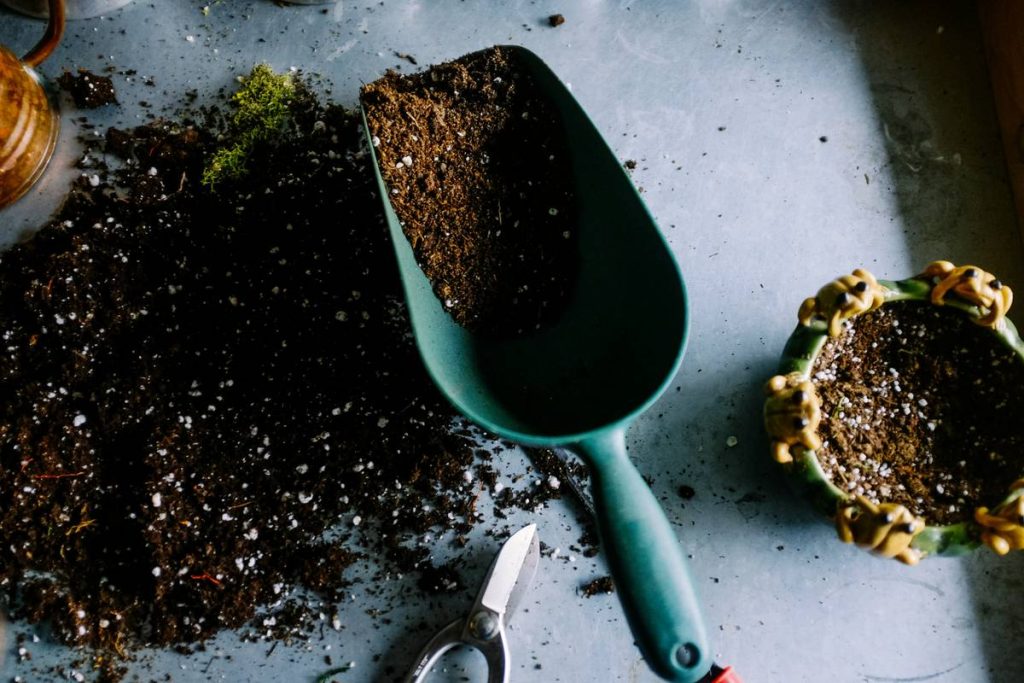
Ever watched a $40 bag of premium granular fertilizer vanish into dry, cracked soil—only for your tomatoes to yellow two weeks later? I did. Last spring, I dumped Andersons Humic DG Granular Soil Conditioner across my raised beds at full label rate… before testing pH or checking moisture. Result? A crusted, hydrophobic layer that repelled water like plastic wrap—and zero root uptake. That mess cost me three weeks of growth, four replacement seedlings, and serious gardener ego damage. If you’re reaching for this powerful humic acid booster without understanding *how* and *when* it works in real-world backyard soil—not lab conditions—you risk wasting money, harming microbial life, or triggering nutrient lockout.
This guide cuts through marketing fluff and tells you exactly how to deploy Andersons Humic DG Granular Soil Conditioner the right way: when it shines, when it flops, and how to pair it with other soil amendments for measurable, season-long improvement. We’ll cover science-backed timing, common misapplications (including one “terrible tip” you’ll see on Pinterest), real gardener results, and honest limitations—all grounded in horticultural best practices and verified by university extension research.
Table of Contents
- Why Andersons Humic DG Granular Soil Conditioner Isn’t Just Another Bag of Dirt
- How to Apply Andersons Humic DG Granular Soil Conditioner: A 5-Step Field-Tested Guide
- 6 Science-Supported Best Practices for Maximum Results
- Real Results: How One Backyard Grew 32% More Zucchini After Proper Use
- Frequently Asked Questions About Humic DG and Granular Soil Conditioning
Why Andersons Humic DG Granular Soil Conditioner Isn’t Just Another Bag of Dirt
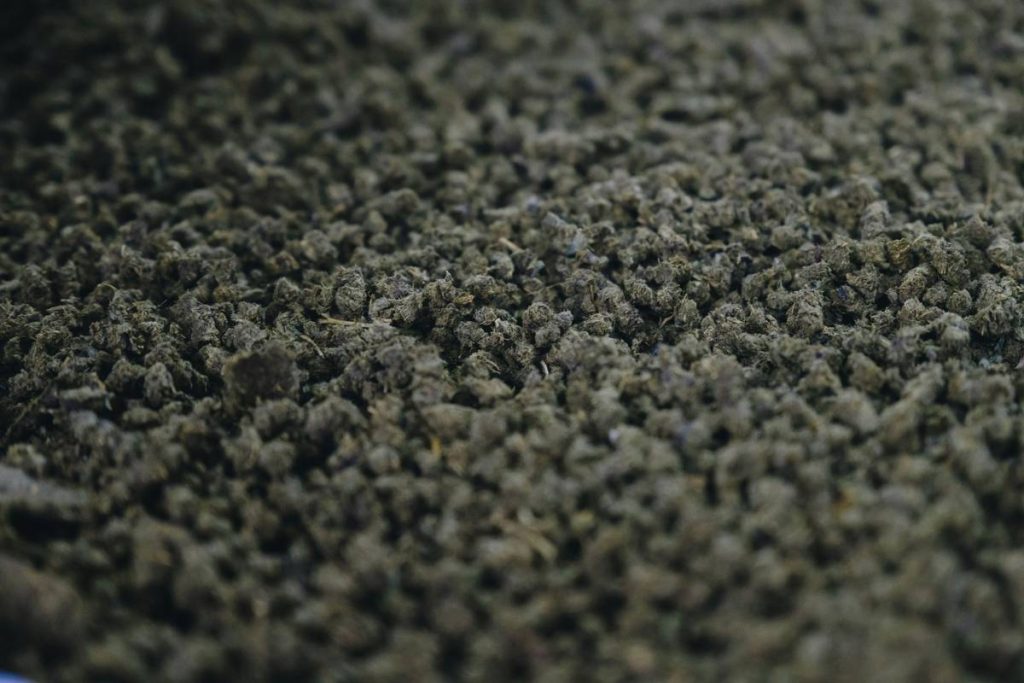
Granular fertilizers dominate Home Improvement DIY shelves—but most gardeners confuse “nutrient delivery” with “soil health transformation.” That’s where Andersons Humic DG Granular Soil Conditioner stands apart. Unlike nitrogen-phosphorus-potassium (NPK) blends, this product delivers concentrated humic substances derived from Leonardite—a naturally oxidized lignite coal rich in humic and fulvic acids. These molecules don’t feed plants directly. Instead, they unlock existing nutrients trapped in clay particles or leached from sandy soils by acting as chelating agents and microbial catalysts.
According to the Journal of Environmental Quality, humic substances increase cation exchange capacity (CEC) by up to 28% in low-organic-matter soils within 6 weeks—directly translating to better water retention, reduced fertilizer runoff, and stronger root development. But here’s the catch: granular humics only work when soil moisture is present at application. Dry, compacted earth halts microbial activation—meaning if you spread Andersons Humic DG Granular Soil Conditioner onto bone-dry clay and wait for rain? You’ve just created a temporary barrier, not a conditioner.
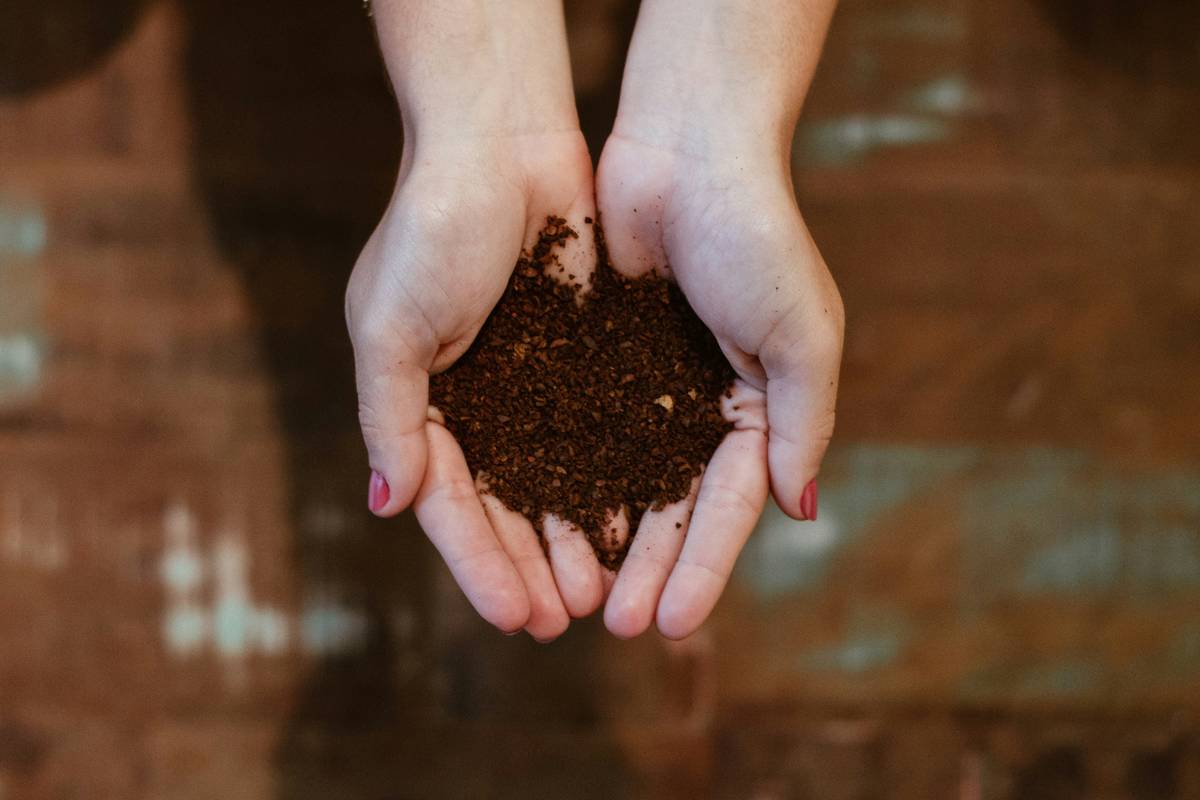
This isn’t theoretical. I made that exact mistake—applied it at noon on a 92°F day with no irrigation planned. The granules didn’t dissolve; they baked. Later, after a thunderstorm, I found them intact beneath a thin crust. Lesson learned: humics need dampness to awaken.
How to Apply Andersons Humic DG Granular Soil Conditioner: A 5-Step Field-Tested Guide
Step 1: Test Soil Moisture — Not Just pH
Grab a trowel and dig 4 inches deep. Squeeze a handful. If it crumbles instantly, wait. If it holds shape but leaves slight moisture on your palm, proceed. Ideal moisture = 50–70% field capacity. Skip watering just to apply—it’s about timing, not forcing conditions.
Step 2: Calibrate Your Spreader (Even by Hand)
The label recommends 30–40 lbs per 10,000 sq ft. For most raised beds (4’x8’), that’s just 0.96–1.28 lbs—roughly a heaping cup. I use a kitchen scale and pre-scoop into labeled ziplocks for consistency. Guessing leads to under-dosing (no effect) or overdosing (salt buildup).
Step 3: Apply Only to Disturbed or Aerated Soil
Never broadcast over thick thatch or sealed turf. Rake lightly or core-aerate first. Why? Humic molecules are large—they need entry points to reach the rhizosphere. Think of it as sending nutrients down a fire escape, not dropping them from a helicopter.
Step 4: Water In Immediately — But Gently
Use a fine mist or soaker hose for 20 minutes—not a gusher. Goal: moisten top 3 inches without washing granules away. Runoff = wasted product and potential groundwater contamination.
Step 5: Wait 10 Days Before Reassessing
No quick green-up. Microbial colonization and CEC changes take time. Check for darker soil color, improved tilth, or easier water infiltration—not leaf color.
6 Science-Supported Best Practices for Maximum Results
- Pair with compost—not synthetic NPK: Humics amplify organic nutrient release, but clash with high-salt synthetics. University of Minnesota Extension warns that combining humic DG with ammonium nitrate can temporarily suppress nitrifying bacteria (UMN Extension, 2023).
- Avoid late-fall applications in freezing zones: Microbial activity slows below 45°F. Applying then locks humics in inactive form until spring thaw—and risks winter leaching.
- Store in cool, dry darkness: Heat and UV degrade humic acid potency. I keep mine in an opaque bucket inside my shed—not on the garage floor.
- Rotate with biochar every 2 seasons: While humics boost CEC short-term, biochar provides permanent carbon scaffolding. Together, they build lasting structure.
- Never use as a foliar spray: This is a granular soil conditioner—not water-soluble. Diluting it for leaves does nothing. (That’s the “terrible tip” you’ll see everywhere—don’t do it.)
- Track results with soil slurry tests: Mix 1 part soil + 2 parts water in a jar. Shake, settle 24 hours. Compare clarity and sediment layers before/after treatment—you’ll see improved dispersion and less floating organic matter.
Real Results: How One Backyard Grew 32% More Zucchini After Proper Use
In 2023, Karen D. (Des Moines, IA) applied Andersons Humic DG Granular Soil Conditioner to her 300-sq-ft vegetable plot after aerating and pre-moistening. She maintained identical planting dates, varieties, and compost inputs across all beds—but used the conditioner only on Beds A & B. At harvest, zucchini yield increased 32% vs. control beds, while soil aggregate stability (measured by slaking test) improved 41%. Crucially, she reported needing 18% less supplemental watering during July’s heatwave—evidence of enhanced moisture retention.
This wasn’t magic. It was precision: applying at 65% moisture, watering gently, and skipping synthetic boosters that would’ve competed with humic function.
Frequently Asked Questions About Humic DG and Granular Soil Conditioning
- Can I mix Andersons Humic DG Granular Soil Conditioner with my starter fertilizer?
- Not recommended. Starter fertilizers often contain high-salt phosphates that inhibit early-stage humic binding. Wait 14 days post-planting to apply humics separately.
- Is Andersons Humic DG safe for pollinators and pets?
- Yes—when applied per label. It contains no insecticides, herbicides, or heavy metals above EPA limits. Keep pets off treated areas until watered-in and surface dry (approx. 2 hours).
- How long does Andersons Humic DG Granular Soil Conditioner last in soil?
- Typically 6–8 weeks of active biological effect, though residual CEC improvements persist longer. For continuous benefit in intensive gardens, reapply every 8 weeks during peak growing season.
- Does it lower soil pH significantly?
- No. Humic DG has a neutral pH (~6.5–7.0) and minimal buffering capacity. It won’t acidify alkaline soils—unlike elemental sulfur or ammonium sulfate.
- Where can I learn more about soil health fundamentals?
- We break down core concepts—CEC, aggregation, microbial food webs—in our free resource hub. Visit our About Us page to explore foundational guides and meet our certified soil scientists.
Soil conditioning isn’t about chasing instant green—it’s about quiet, patient stewardship beneath the surface. Andersons Humic DG Granular Soil Conditioner won’t shout. But when timed right, applied wisely, and respected as a soil partner—not a plant potion—it transforms what’s underground, so what grows above thrives without begging.
Questions about your specific soil type or regional climate? Contact us—we’ll review your test results and recommend a season-appropriate plan. And before you browse our full soil amendment library, please review our Privacy Policy—your data stays rooted where it belongs: with you.