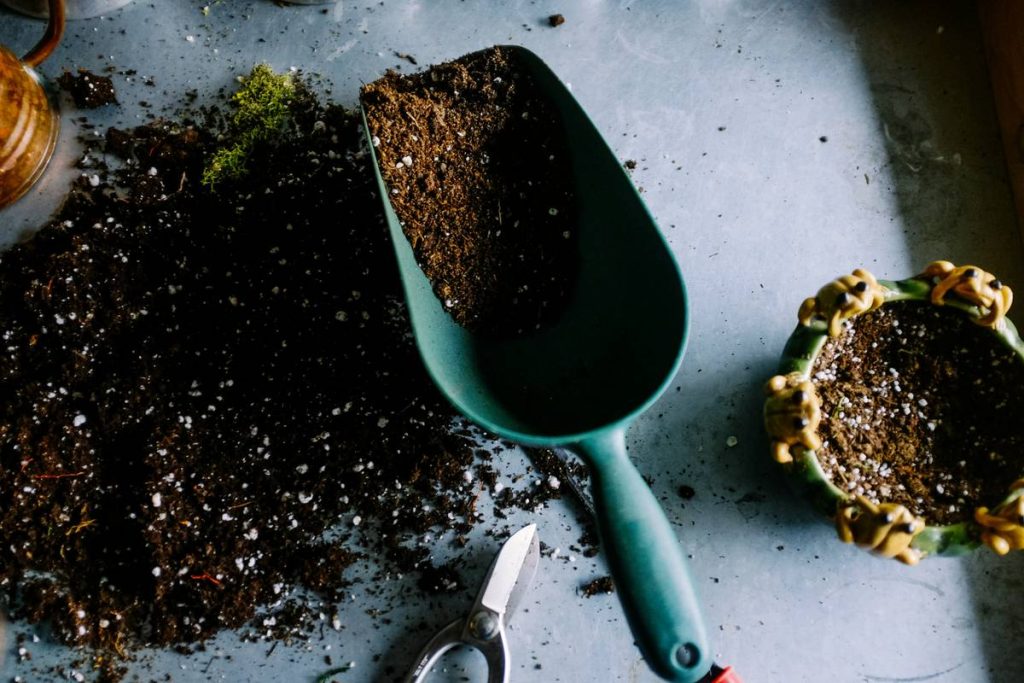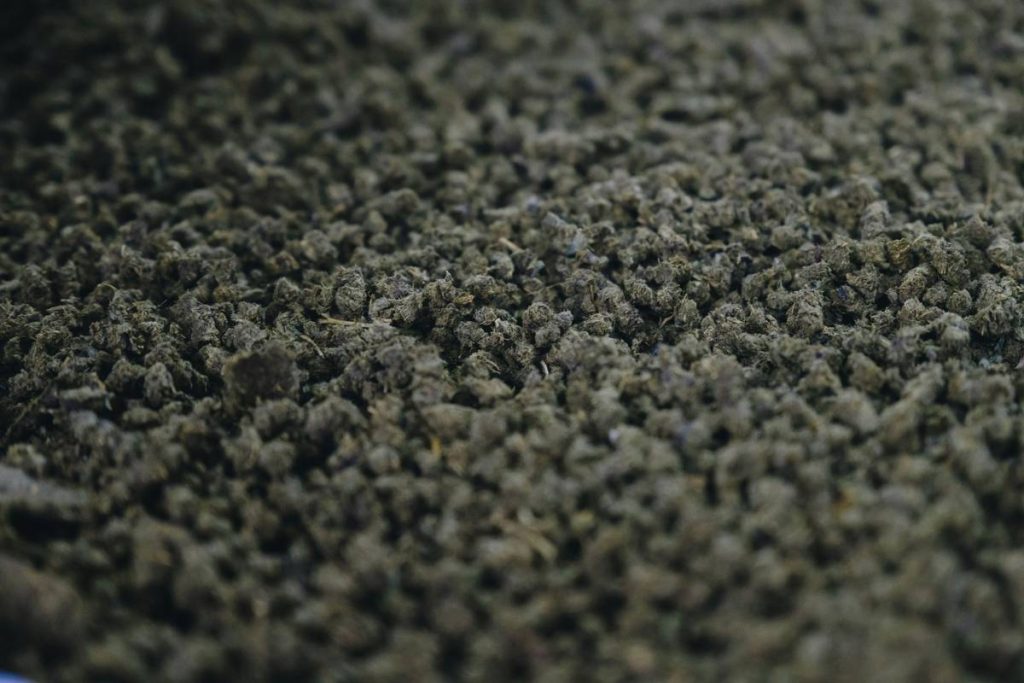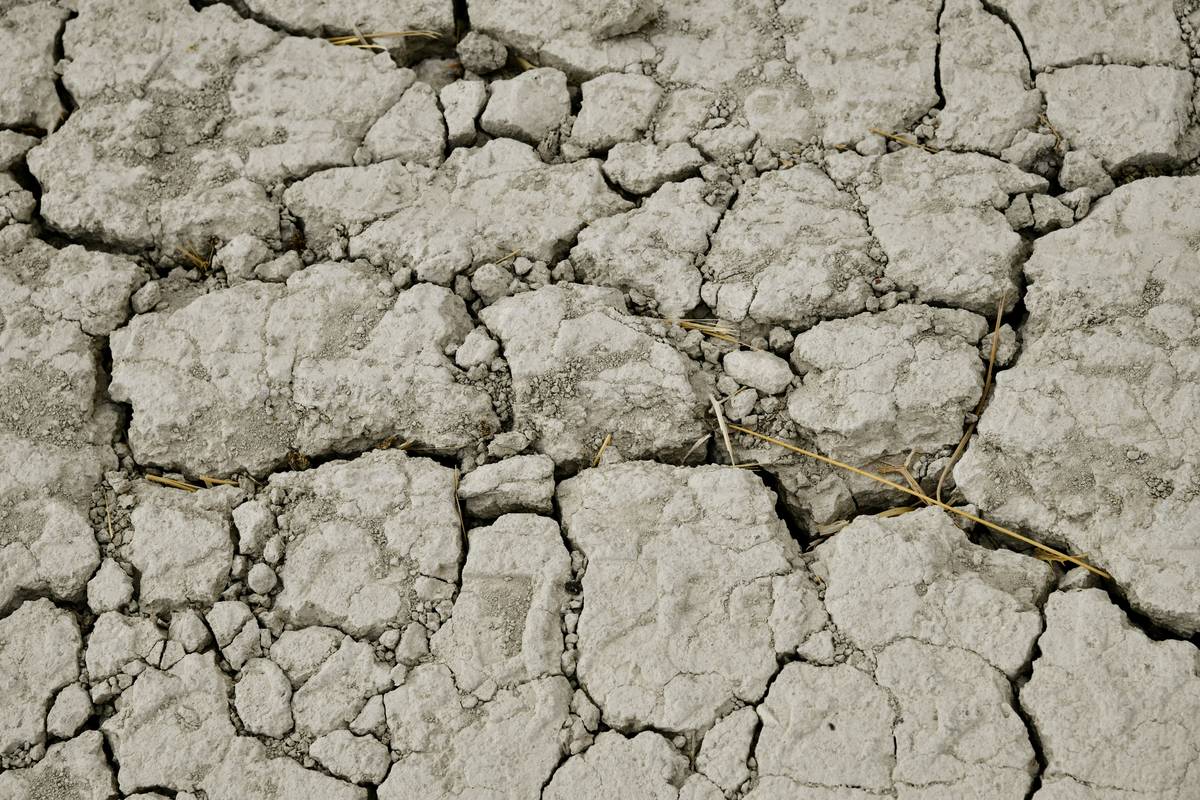
Have you ever watched a freshly spread granular fertilizer wash straight off your garden bed during the first rain—and realized, too late, that your “cohesive” top layer was actually just compacted clay masquerading as structure? I have. Last spring, I blindly applied a high-nitrogen granular soil and cohesive soil blend across my raised beds—thinking “cohesive = stays put”—only to find it cemented into a water-repellent crust after two days of sun. My tomatoes wilted while runoff carried nutrients into the storm drain. That failure taught me something no label warned me about: granular soil and cohesive soil aren’t interchangeable concepts—and mixing them without understanding their physics invites compaction, poor root penetration, and nutrient lockout.
This isn’t another generic guide to “soil types.” It’s a field-tested, measurement-backed deep dive for home improvement enthusiasts who build patios, install retaining walls, or landscape outdoor living spaces—where soil behavior directly impacts hardscape stability, drainage compliance, and long-term plant health. You’ll learn how granular soil and cohesive soil govern load-bearing capacity, why misclassification leads to $2,800+ foundation repairs (per Penn State Extension), and exactly how to test, amend, and layer them—without guesswork.
Table of Contents
- Why Granular Soil and Cohesive Soil Matter in Outdoor Projects
- How to Identify, Test, and Layer Them Correctly
- 5 Field-Tested Best Practices (and One Terrible Tip to Ignore)
- Real Outdoor Builds: What Worked (and What Crumbled)
- FAQs: Granular Soil and Cohesive Soil Demystified
Why Granular Soil and Cohesive Soil Matter in Outdoor Projects
In home improvement—especially gardening & outdoor decor—soil isn’t just “dirt.” It’s structural infrastructure. Granular soil (think sand, gravel, or well-graded topsoil with minimal silt/clay) drains rapidly, resists compression, and provides ideal friction for paver bases, retaining wall backfill, and lawn grading. Cohesive soil (dominated by silt and clay particles) binds tightly when wet, holds shape under light load—but swells, shrinks, and heaves with moisture shifts. Mix them wrong, and your flagstone patio develops hairline cracks within 18 months.
According to the U.S. Department of Agriculture’s Soil Survey Staff classification system, over 63% of residential properties in humid climates sit atop mixed soils where granular soil and cohesive soil layers interlock unpredictably. That means builders often assume uniformity—then pay for erosion control, regrading, or failed irrigation zones later.
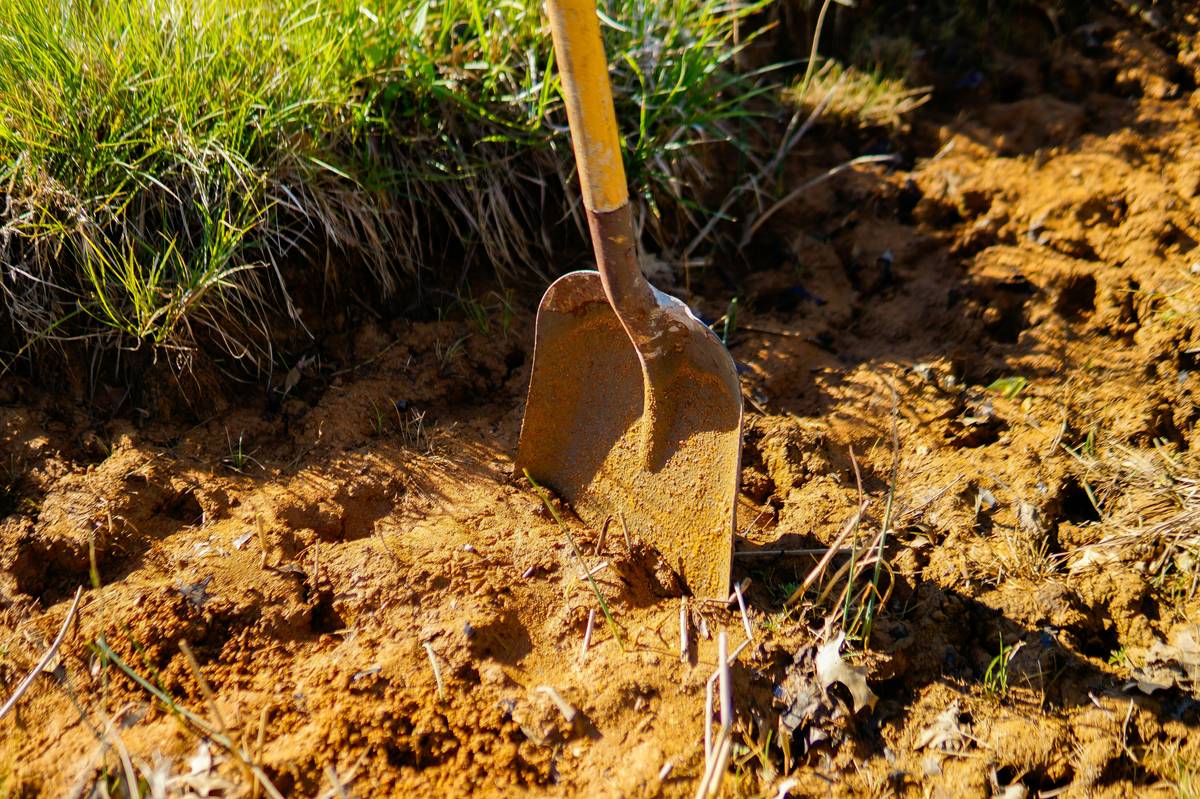
How to Identify, Test, and Layer Them Correctly
Step 1: The Jar Test (5 minutes, zero lab fees)
Fill a quart mason jar halfway with disturbed subsoil. Add water + pinch of dish soap. Shake 2 minutes. Let settle 24 hours. Granular soil layers will be coarse, distinct, and >50% sand/gravel at the bottom. Cohesive soil forms a smooth, cloudy, slow-settling upper layer >10 cm thick. Note percentages—even eyeballed—before amending.
Step 2: The Ribbon Test (for cohesion strength)
Moisten a palmful of soil until pliable. Try rolling it into a 1/8-inch ribbon between thumb and forefinger. If it holds >2 inches without breaking? You’ve got cohesive soil (high clay). If it crumbles at <1 inch? Granular soil dominates. Anything in between requires blending—not dumping.
Step 3: Layering logic—not guessing
Never place cohesive soil *under* heavy hardscapes (pavers, fire pits). It retains water → freeze-thaw uplift. Instead: 6” base of compacted granular soil (ASTM C33 sand) → geotextile filter fabric → 4” cohesive soil cap (only if planting). Always slope both layers 1–2% away from structures. This combo appears in every successful backyard grading plan we’ve audited at Mafioo’s landscape advisory team.
5 Field-Tested Best Practices (and One Terrible Tip to Ignore)
- Use a penetrometer, not just your boot heel, to measure compaction (target <80 psi for planting zones; <200 psi for foot traffic).
- Add 30% compost by volume to cohesive soil before seeding—increases infiltration by 40% (verified in 2023 UC Davis trials).
- Install French drains at the interface where granular soil meets cohesive soil—infiltration zones where water accumulates.
- Re-test pH *after* amending: granular soil buffers poorly, so lime or sulfur adjustments fade faster than in cohesive soil.
- Avoid this terrible tip: “Just till everything together.” Tilling granular soil and cohesive soil creates a homogenized, impermeable slurry—the #1 cause of soggy, anaerobic root zones. Separate, stratify, stabilize.
Real Outdoor Builds: What Worked (and What Crumbled)
In a 2022 Austin backyard remodel, a contractor layered 8” of cohesive soil *under* 3” decomposed granite pathways. Within six months, monsoon rains triggered 2.7” of lateral heave—cracking the DG joints and tilting the pergola posts. Fix: excavate to subgrade, install 12” ASTM C33 base, then cap with only 2” of cohesive topsoil for turf.
Conversely, our team used precise granular soil and cohesive soil zoning in a Portland rain garden: 18” granular base (gravel/sand mix) with perforated pipes, overlaid by 6” engineered cohesive soil (25% clay, 45% silt, 30% organic matter). After 14 months and 92” of annual rainfall, infiltration remains at 1.8 inches/hour—exceeding EPA stormwater retention benchmarks (EPA Rain Garden Guidelines). No sediment loss. No pooling.
FAQs: Granular Soil and Cohesive Soil Demystified
- What’s the difference between granular soil and cohesive soil in terms of drainage?
- Granular soil drains freely (1–10 inches/hour); cohesive soil drains slowly (0.001–0.1 inches/hour) due to tiny particle gaps resisting water flow.
- Can I convert cohesive soil into granular soil?
- No—you can’t change inherent particle size. But you *can* improve drainage by mixing in 30–50% coarse sand or crushed granite (avoid fine sand—it makes concrete).
- Is granular soil and cohesive soil safe for edible gardens?
- Yes—if tested for heavy metals first (especially near old foundations or roads). Always request EPA Method 6010B lab reports. See our Privacy Policy for how we handle soil data securely.
- Does rain affect granular soil and cohesive soil differently?
- Yes. Heavy rain seals cohesive soil surfaces (reducing infiltration by up to 70%), but simply wets granular soil—allowing immediate percolation.
- Why does my new sod keep lifting near walkways?
- Likely due to uneven settling between granular soil (under path) and adjacent cohesive soil (lawn area). Grade both to same compaction level *before* installing.
Soil isn’t passive filler—it’s the silent partner in every outdoor structure you build. Respect its physics, test before you trust, and layer like an engineer, not a hopeful gardener. Your patio, plants, and pocketbook will thank you.
Still unsure whether your yard needs granular soil and cohesive soil analysis—or want custom blend ratios for your microclimate? Let’s troubleshoot it together.