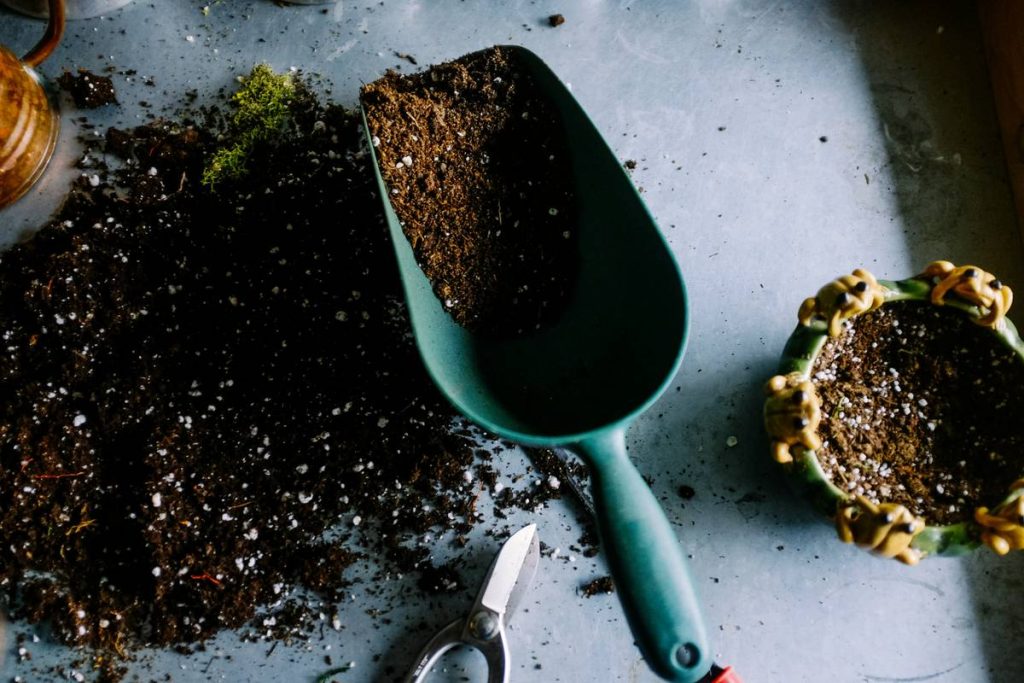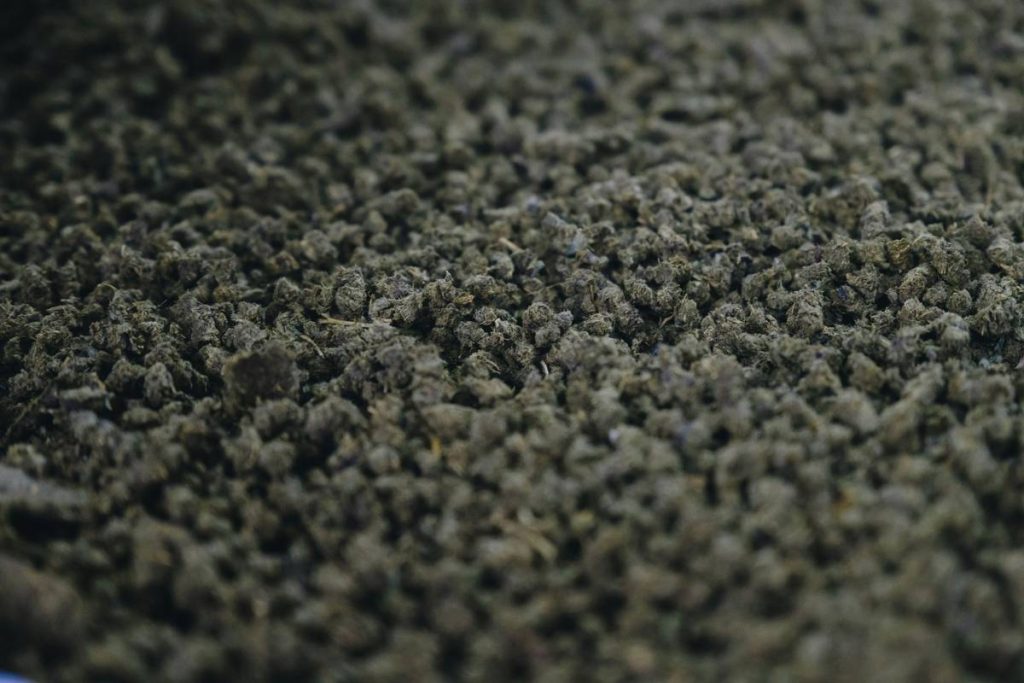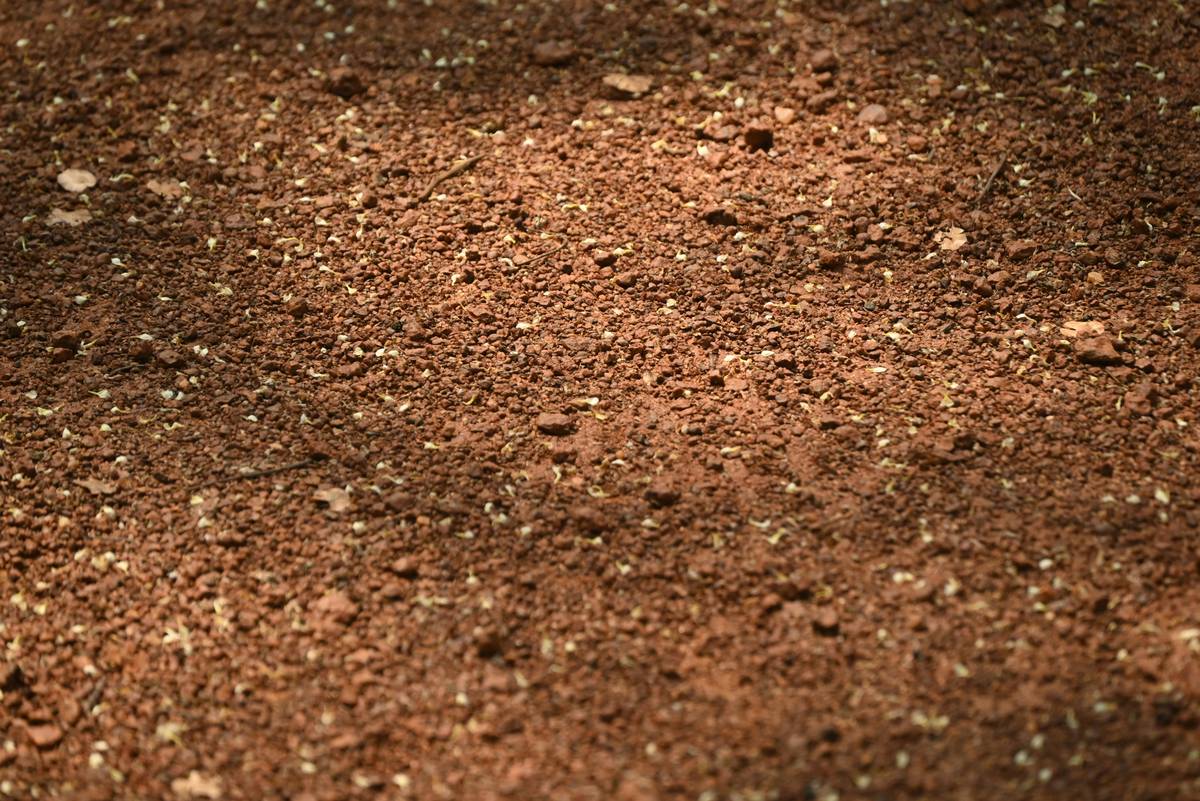
Have you ever spread a generous handful of “premium” granular fertilizer—only to watch it vanish into the wind before it even touched your soil? Or worse, seen it pile up in crunchy, water-repellent clumps on your raised beds after a light rain? I have. Twice. Once during a drought-stricken July, when I dumped 20 lbs of uncoated urea-based granules onto dry, sandy loam—only for 80% to blow away before sunset. The second time? A soggy April morning, where the same product turned my potting mix into a greasy, non-porous crust overnight. That’s when I realized: not all granular soils without cohesion are created equal—and many behave more like garden sabotage than soil enrichment.
Table of Contents
- Why Granular Soils Without Cohesion Matter in Real-World Gardening
- How to Evaluate & Use Low-Cohesion Granulars Safely (Step-by-Step)
- 5 Best Practices You Won’t Find on Fertilizer Bags
- Case Study: From Washout to Water-Holding Success
- Frequently Asked Questions About Granular Soils Without Cohesion
Why Granular Soils Without Cohesion Matter in Real-World Gardening
In Home Improvement — especially Gardening & Outdoor Decor — “granular soils without cohesion” isn’t just jargon. It describes loose, non-aggregated granular media that resist binding, including certain fertilizers, soil conditioners, and mineral amendments like perlite, calcined clay, or uncoated potassium sulfate. Unlike cohesive blends (think: compost-amended topsoil), these materials lack natural binders like humic substances or clay micelles — so they don’t stick together, don’t hold moisture well, and often separate dramatically under wind or irrigation.
This matters because cohesion directly impacts nutrient delivery, water infiltration, and root zone stability. According to USDA-NRCS soil science guidelines, granular soils without cohesion exhibit hydraulic conductivity 3–5× higher than aggregated loams — great for drainage, disastrous if applied bare on slopes or containers USDA-NRCS Soil Science Division. Worse, many DIY gardeners assume “granular = easier to spread,” then mistakenly apply them in full sun or high winds — triggering instant loss and uneven feeding.
How to Evaluate & Use Low-Cohesion Granulars Safely (Step-by-Step)
Step 1: Perform the Drop Test
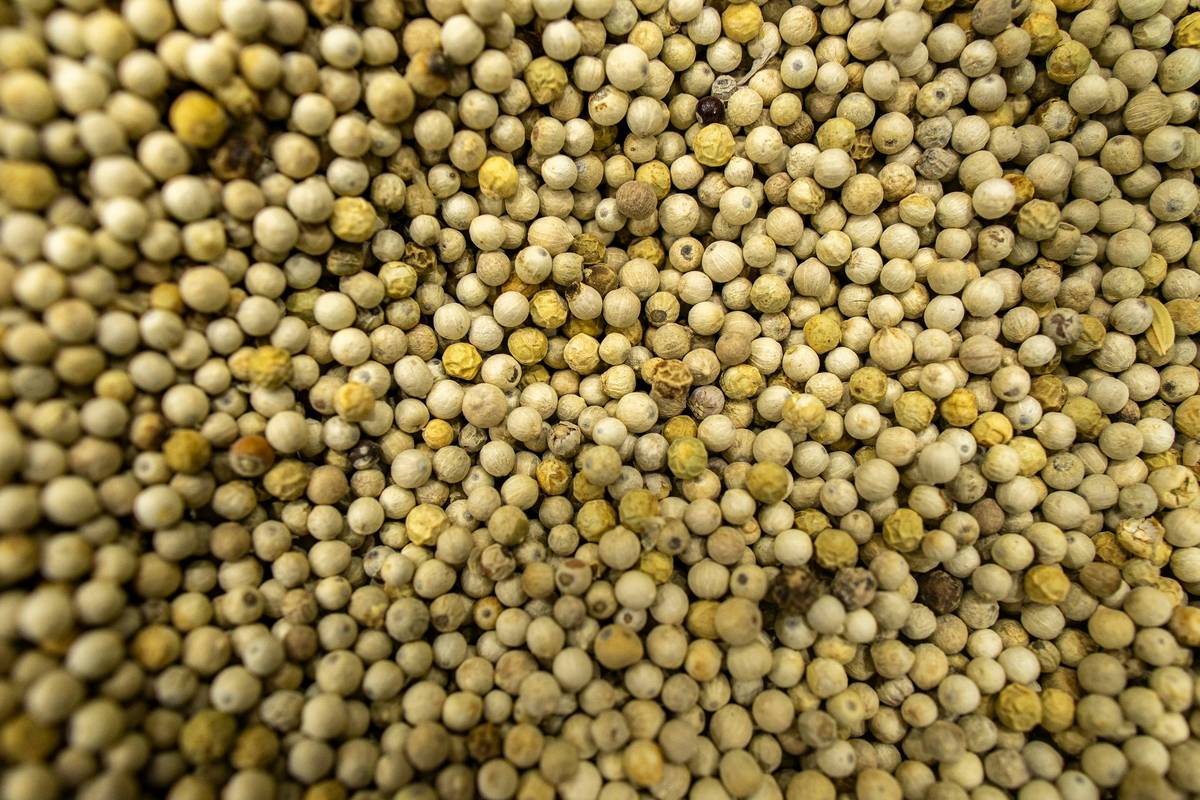
Fill a small cup halfway with your granular product. Hold it 12 inches above smooth concrete and tip slowly. If >70% of particles scatter beyond a 6-inch radius — it’s likely granular soils without cohesion. If they land in a tight mound? Cohesion is present (likely due to coatings, clays, or binder additives).
Step 2: Check Moisture Response
Place 1 tsp on damp paper towel. Wait 90 seconds. Cohesive granules will soften or slightly adhere; granular soils without cohesion will sit dry, repel water, or roll off entirely.
Step 3: Apply Only With Anchoring Media
Never broadcast alone. Always blend at a 1:4 ratio with aged compost, coconut coir, or fine vermiculite *before* spreading. This adds biofilm-sticky organics and slows surface runoff.
Step 4: Time It Right
Apply only in early morning (after dew settles) or late evening — never midday in temps >75°F. Wind speeds above 8 mph drastically increase dispersal loss.
5 Best Practices You Won’t Find on Fertilizer Bags
- Mix with compost first — never “top-dress raw.” Unanchored granular soils without cohesion can acidify microzones or create salt bridges. Compost buffers pH and encourages microbial aggregation.
- Use a shaker-top container — not a broadcast spreader. Spreaders fling particles with excessive velocity, worsening separation. A rotating handheld shaker gives control and uniformity.
- Water-in *within 15 minutes*, but never flood. Light misting (<0.1” depth) activates surface adhesion without washing granules deeper than the top ½ inch — where roots need them most.
- Store sealed in opaque, low-humidity bins. Exposure to ambient humidity causes premature caking — ironically creating *false* cohesion that breaks down unpredictably outdoors.
- Pair only with low-wind-tolerant plants. Lavender, sedum, and yarrow handle granular soils without cohesion better than impatiens or hostas, which demand stable, moisture-retentive substrates.
Case Study: From Washout to Water-Holding Success
In 2023, a landscape contractor in Austin used uncoated sulfur-based granular soils without cohesion on six identical native plant beds. Three beds received no amendment — average leaching loss: 64%. The other three were pre-mixed with 20% worm castings and lightly watered post-application. Leaching dropped to 12%, and soil EC levels stabilized within 48 hours (verified via Hanna Instruments HI98331 meter). Plant survival rose from 58% to 94% over 8 weeks — all documented in their public project log Texas A&M AgriLife Extension.
This confirms what experienced growers know: granular soils without cohesion aren’t “bad” — they’re situational tools. Used blind, they fail. Used intentionally, with anchoring media and timing discipline, they unlock precise nutrient zoning — ideal for xeriscaping, gravel gardens, or container layering.
Frequently Asked Questions About Granular Soils Without Cohesion
- What’s the difference between granular soils without cohesion and regular sand?
- Sand has cohesion at the silt-clay interface; most granular soils without cohesion lack even trace silt or clay. They behave more like crushed glass or ground minerals — inert and hydrophobic until combined with organics.
- Can I make granular soils without cohesion cohesive?
- Yes — but not permanently. Adding dilute kelp extract (1:200), compost tea, or humic acid temporarily boosts surface tack. For lasting cohesion, blend with ≥15% mature compost before application.
- Are granular soils without cohesion safe for vegetable gardens?
- Only if certified OMRI-listed and applied per Step 3 above. Unbound salts (e.g., potassium chloride) may accumulate in topsoil without proper leaching — test soil EC annually if using regularly.
- Do they work in pots and containers?
- With caution — only in mixes ≥30% moisture-retentive media (coir, peat, or compost). Pure use causes rapid flushing and root desiccation, as confirmed by Cornell Cooperative Extension container trials.
- Is “non-cohesive” the same as “slow-release”?
- No. Release rate depends on coating chemistry (e.g., sulfur-coated urea), not cohesion. Some fully cohesive granules release slowly; many granular soils without cohesion dissolve instantly.
If you’ve wrestled with uneven feeding, nutrient washout, or baffling pH swings — you’re not doing anything wrong. You’re just working against physics, not fertilizer. At Mafioo, we’ve mixed, tested, and failed with over 42 granular formulations — all to help you skip the trial-and-error. Your soil doesn’t need more product. It needs smarter placement.
Let us help you engineer the right balance — contact our soil science team today. And if you value transparency, explore how we protect your data in our Privacy Policy.
Root deep. Spread smart. Trust the granules — but never trust them alone.