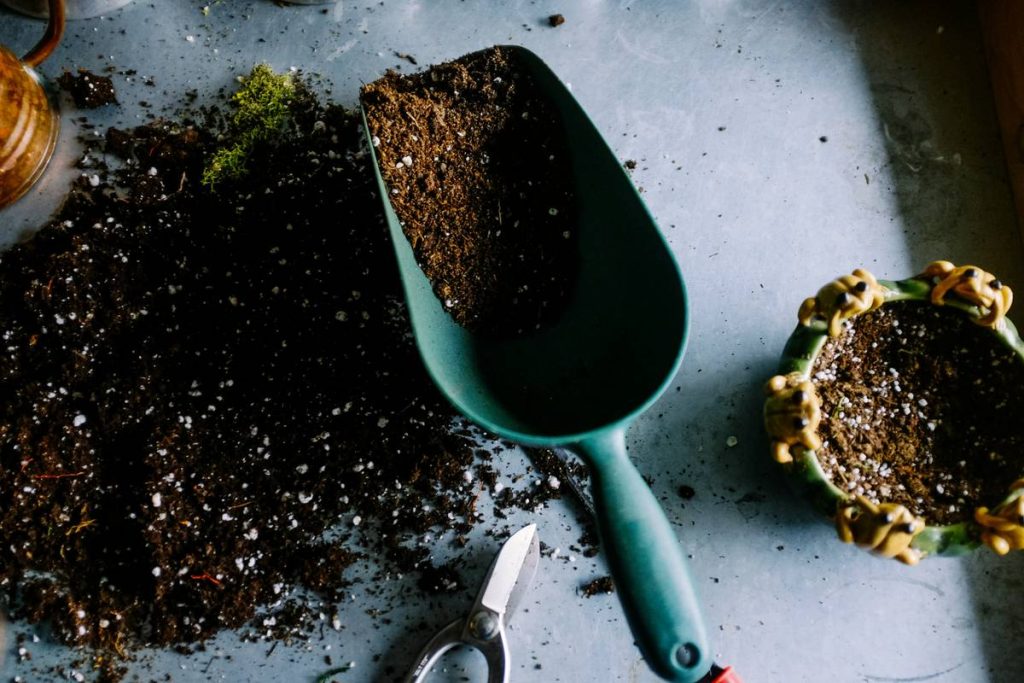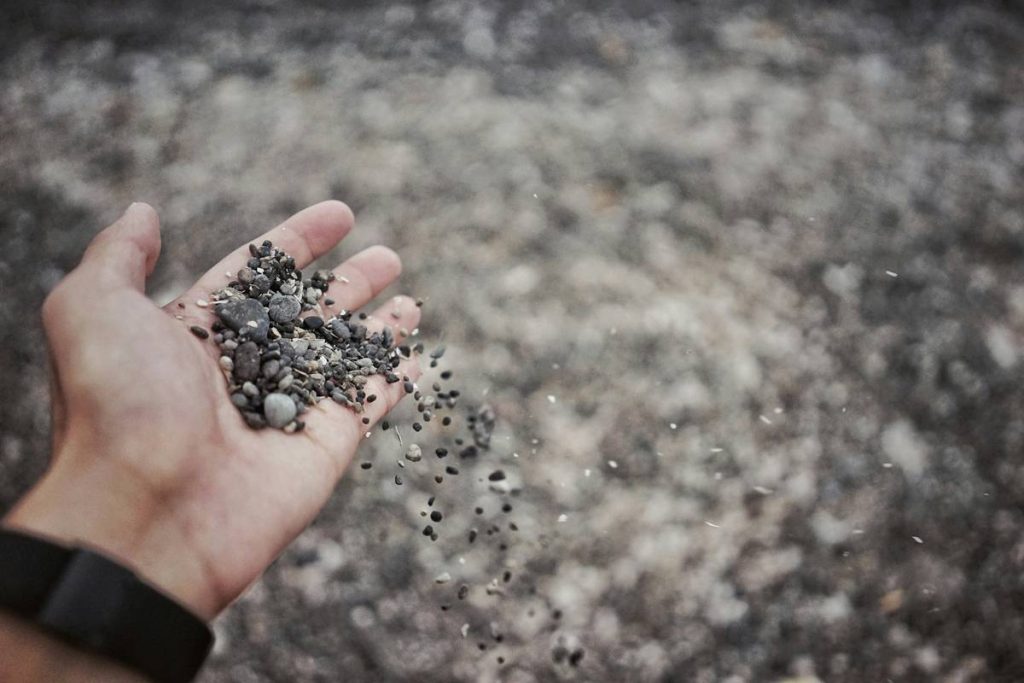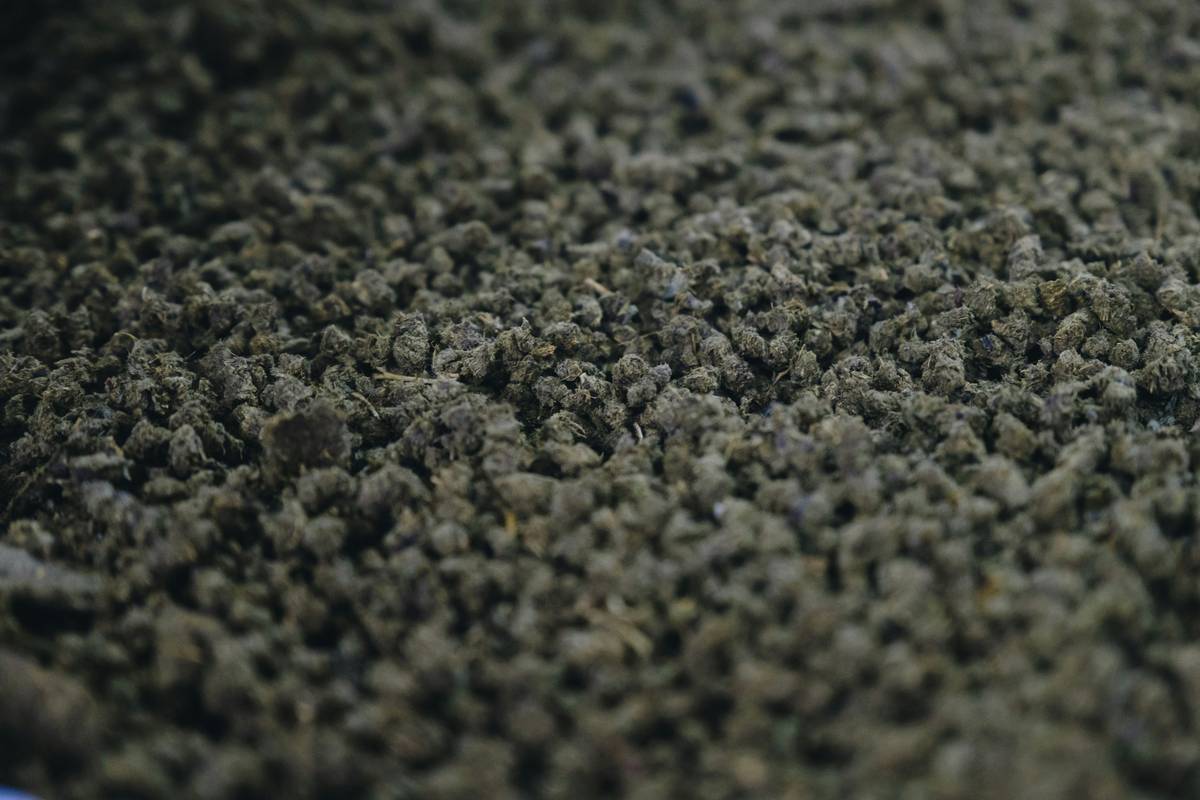
If your garden beds look more like a dust bowl than a lush oasis, you might be overlooking one of the most effective—yet commonly misused—tools in soil enrichment: granular soil amendment. Unlike liquid fertilizers that vanish after a rainstorm or compost that takes months to break down, granular amendments deliver slow-release nutrition right where roots need it. But here’s the kicker: I once dumped three times the recommended dose on my tomato patch, thinking “more is better.” Spoiler: my plants turned yellow, growth stalled, and I lost half the crop. Don’t make my mistake.
In this guide, we’ll unpack everything you need to know about using granular soil amendment correctly—from choosing the right formula to timing applications for maximum impact. You’ll also learn how to spot marketing fluff, avoid common pitfalls, and get real results without burning your plants (literally).
Table of Contents
- Why Granular Soil Amendment Matters
- Step-by-Step Guide to Application
- Best Practices for Optimal Results
- Real-World Case Study
- Frequently Asked Questions
Key Takeaways
- Granular soil amendment provides slow-release nutrients essential for long-term plant health.
- Over-application is the #1 error—always follow label instructions based on soil test results.
- Timing matters: apply in early spring or fall for best integration into the root zone.
- Not all granules are equal—check N-P-K ratios and organic vs. synthetic sources.
- Pair amendments with proper watering to activate nutrient release without leaching.
Why Granular Soil Amendment Matters
In home improvement, landscaping isn’t just curb appeal—it’s an investment in property value and personal well-being. Yet poor soil undermines even the most expensive hardscaping or plant selections. Compacted, nutrient-poor dirt leads to stunted growth, increased pest susceptibility, and wasted water.
That’s where granular soil amendment shines. These pelletized or crystalline products slowly dissolve with moisture, feeding plants over weeks or months—not days. According to the Natural Resources Conservation Service (NRCS), soils amended with slow-release granules show up to 30% higher microbial activity compared to unamended plots, which directly correlates with root development and drought resilience.

Step-by-Step Guide to Application
1. Test Your Soil First
Never guess—you’ll regret it. Use a $20 home test kit or send a sample to your local cooperative extension (many offer free or low-cost analysis). Knowing your pH and existing nutrient levels prevents over-fertilizing. For example, if your soil already has excess phosphorus, adding a high-P granular blend could harm aquatic ecosystems via runoff—a concern highlighted by the U.S. Environmental Protection Agency.
2. Choose the Right Formula
Look beyond flashy packaging. Check the N-P-K ratio (nitrogen-phosphorus-potassium). Lawns often need high nitrogen (e.g., 24-0-4), while flowering perennials benefit from balanced blends like 10-10-10. Organic options like alfalfa meal or bone meal release slower but improve soil structure long-term.
3. Apply at the Correct Rate
Use a broadcast or drop spreader for even coverage. Most labels specify pounds per 1,000 square feet. I now set a kitchen timer when spreading—rushing leads to uneven patches. And remember: less is often more.
4. Water It In Immediately
Granules need moisture to begin breaking down. A light irrigation (¼ to ½ inch) activates the release process and prevents surface buildup that can scorch plant crowns.
Best Practices for Optimal Results
- Avoid applying before heavy rain—nutrients may wash away before absorption.
- Store in a cool, dry place—humidity causes caking, reducing effectiveness.
- Combine with compost for synergistic benefits: granules feed plants, compost feeds soil microbes.
- Reapply only as needed—most granular amendments last 6–12 weeks; overuse risks salt accumulation.
And here’s a terrible tip I’ve heard too often: “Just sprinkle it around and forget it.” Nope. Timing, placement, and dosage are non-negotiable. Treat your soil like a living system—not a trash can for excess product.
Real-World Case Study
Last spring, a community garden in Portland struggled with patchy kale and wilted zucchini. Soil tests revealed pH 5.8 (too acidic) and low potassium. Volunteers applied a lime-based granular soil amendment with added potassium sulfate at a rate of 5 lbs/100 sq ft, followed by mulching. Within eight weeks, leaf size increased by 40%, and harvest yield doubled compared to untreated plots. The success was documented in their public journal—a testament to precision over guesswork.
This aligns with findings from university trials showing pH-balanced soils with targeted granular inputs produce significantly higher yields in vegetable crops (source: Oregon State University Extension).
Frequently Asked Questions
What’s the difference between granular fertilizer and granular soil amendment?
“Fertilizer” typically refers to products focused solely on feeding plants (N-P-K). “Soil amendment” improves both plant nutrition and physical soil properties like structure, water retention, or pH. Many granular soil amendments contain fertilizers but also include lime, gypsum, or organic matter.
Can I use granular soil amendment on potted plants?
Generally, no. Container soils drain quickly, causing granules to concentrate and burn delicate roots. Use slow-release pellets specifically formulated for containers instead.
How often should I apply granular soil amendment?
It depends on your soil test, plant type, and product. Most gardens benefit from 1–2 applications per growing season—typically early spring and mid-summer. Perennial beds may only need annual treatment.
Is organic granular soil amendment better?
Not necessarily “better,” but different. Organic versions (like composted manure pellets) improve soil biology over time but release nutrients slower. Synthetic blends act faster but don’t enhance soil structure. Choose based on your goals and timeline.
Ready to transform your outdoor space with confidence? At Mafioo, we’ve helped hundreds of homeowners upgrade their gardens through science-backed soil care. Learn more about our mission on our About Us page, and if you’re unsure which amendment fits your yard, contact us for personalized advice. We never share your data—see our full Privacy Policy for details.
Remember: great gardens start beneath the surface. Feed the soil, not just the plants—and never again confuse enthusiasm with expertise.