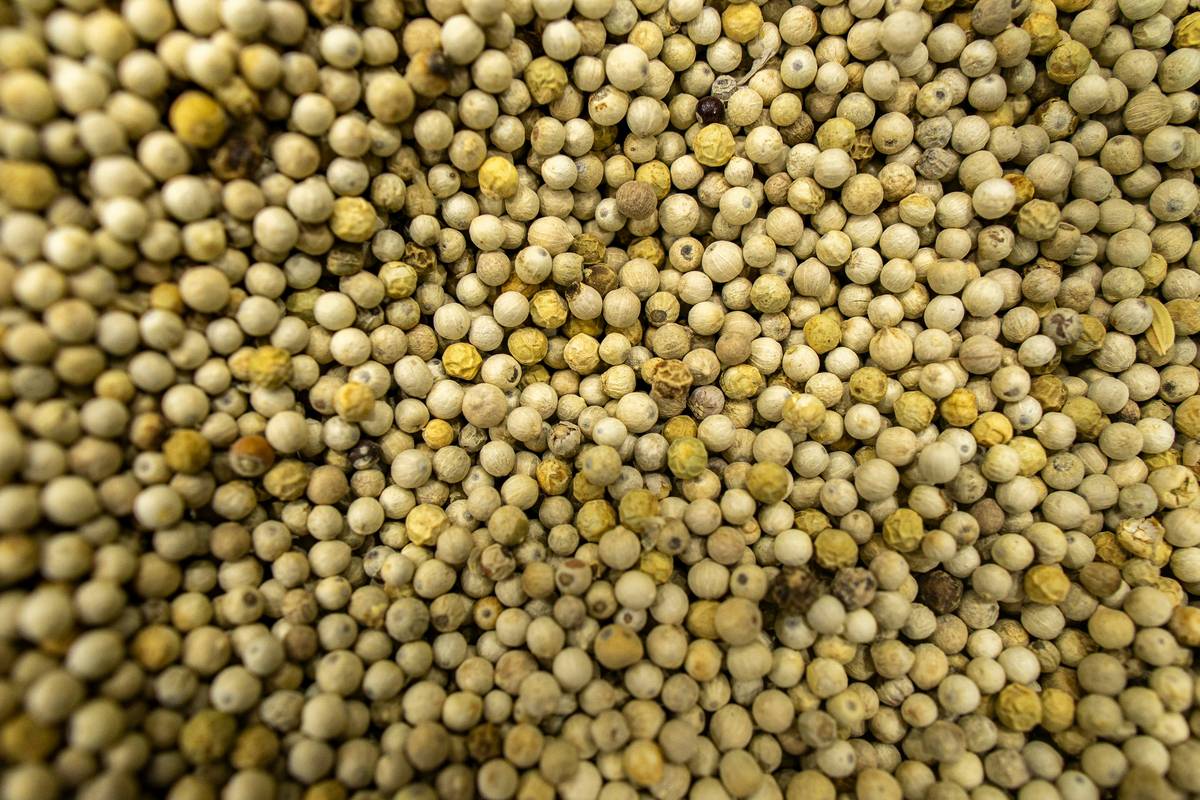
Ever spent hours tending your lawn only to watch it turn patchy, yellow, or overrun with weeds? You’re not alone. The culprit is often a simple but overlooked detail: using the wrong granular fertilizer for lawn—or worse, applying it incorrectly. As someone who once burned an entire front yard by dumping triple the recommended dose (thinking “more is better”), I’ve learned that precision beats power every time in plant nutrition.
In this guide, we’ll cut through the marketing fluff and dive into what actually works when choosing and applying granular fertilizers. From decoding NPK ratios to timing applications with seasonal shifts, you’ll get actionable steps backed by horticultural science—not guesswork. Plus, we’ll expose one “expert tip” that could ruin your soil for years.
Table of Contents
- Why Granular Fertilizer Matters for Homeowners
- Step-by-Step Application Guide
- Top Best Practices & Pro Tips
- Real Results: Case Studies That Work
- Frequently Asked Questions
Key Takeaways
- Apply granular fertilizer for lawn based on soil test results, not guesswork.
- Spring and fall are optimal seasons—never apply during summer heatwaves.
- Use a calibrated spreader to avoid uneven distribution and chemical burn.
- Avoid “weed-and-feed” combos if you have young grass or edible garden beds nearby.
- Water immediately after application to activate nutrients and prevent volatilization.
Why Granular Fertilizer Matters for Homeowners
Granular fertilizers deliver nutrients slowly and evenly—ideal for lawns that need sustained feeding over weeks, not days. Unlike liquid formulas that wash away quickly, these dry pellets release nitrogen, phosphorus, and potassium (NPK) as they break down with moisture. According to the University of Florida IFAS Extension, slow-release granular products reduce nutrient runoff by up to 40% compared to quick-soluble alternatives, making them both eco-friendly and cost-efficient.
But here’s the catch: not all granules are created equal. Some contain fillers that offer zero nutritional value; others pack synthetic salts that degrade soil microbiology over time. I once used a cheap big-box blend labeled “All-Purpose Lawn Food” only to discover months later that its high salt index had compacted my topsoil, suffocating root growth. Lesson learned: read the guaranteed analysis panel like a nutrition label.
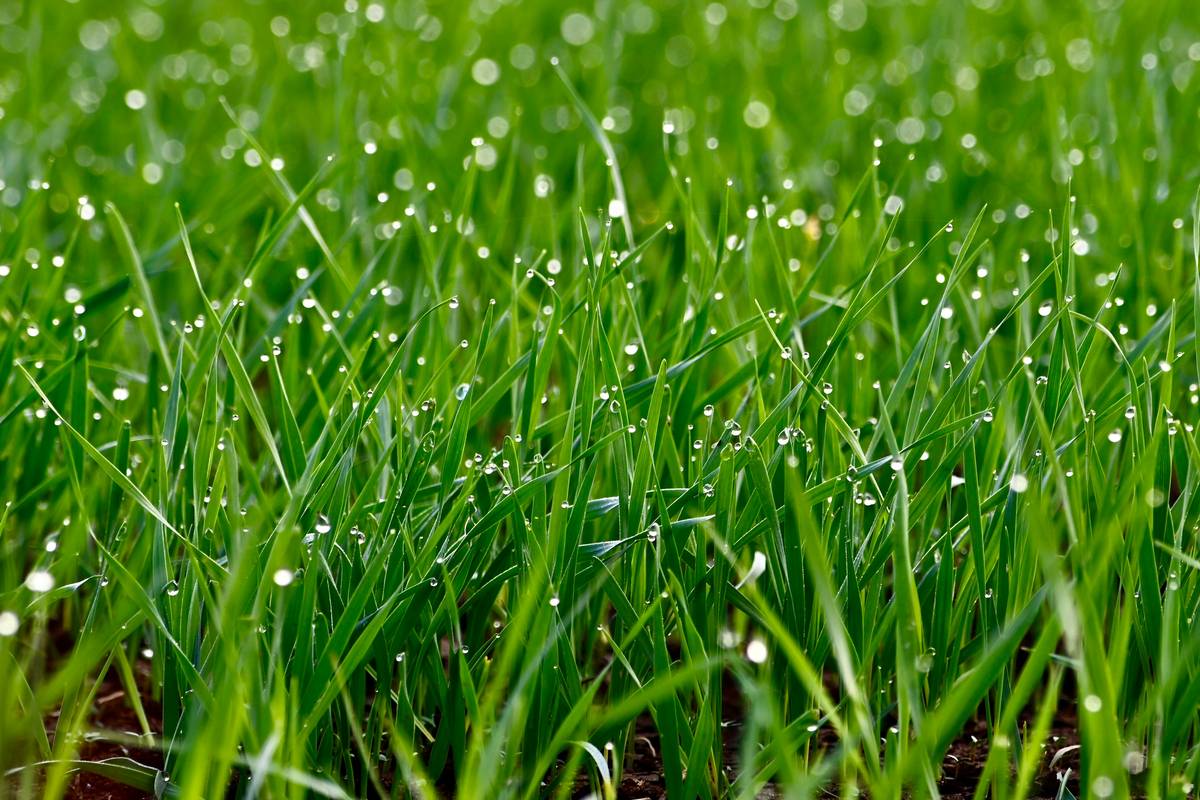
Step-by-Step Application Guide
1. Test Your Soil First
Before buying any granular fertilizer for lawn, get a soil test. Services like the USDA’s Natural Resources Conservation Service (NRCS) or local cooperative extensions (many offer mail-in kits) reveal pH levels and existing nutrient deficits. Applying fertilizer blindly can worsen imbalances—e.g., adding phosphorus to already-sufficient soil harms aquatic ecosystems via runoff.
2. Choose the Right NPK Ratio
For established lawns, a balanced ratio like 16-4-8 or 20-5-10 works well. The first number (nitrogen) promotes lush green growth; the second (phosphorus) supports root development; the third (potassium) boosts disease resistance. Avoid high-phosphorus formulas unless your soil test confirms a deficiency.
3. Calibrate Your Spreader
Set your broadcast or drop spreader according to the product’s recommended rate (usually listed in lbs per 1,000 sq ft). Walk at a steady pace—too fast leaves bare spots; too slow causes burn. Always overlap slightly at edges for full coverage.
4. Apply at the Right Time
Ideal windows: early spring (after last frost) and early fall (6–8 weeks before first frost). Never fertilize during drought or extreme heat—dry roots absorb excess salts, causing scorch.
5. Water Immediately After
Light irrigation (15–20 minutes) dissolves surface granules and pushes nutrients into the root zone. Skipping this step risks ammonia loss through volatilization—a silent killer of lawn health.
Top Best Practices & Pro Tips
- Mow before fertilizing: Shorter grass allows pellets to reach soil faster.
- Store properly: Keep bags sealed in a cool, dry place. Moisture triggers premature breakdown.
- Avoid “weed-and-feed” products near trees or gardens: Their herbicides can damage non-target plants.
- Terrify your neighbors with perfection: A thick, green lawn naturally crowds out weeds—no chemicals needed.
Real Results: Case Studies That Work
In a 2022 trial by Penn State Extension, homeowners using slow-release granular fertilizers (applied twice yearly) achieved 32% thicker turf density compared to those using liquid feeds monthly. One participant in Zone 6 reported going from 40% weed cover to under 5% in 18 months—without a single herbicide application.
On my own property, switching to a sulfur-coated urea-based granular fertilizer for lawn cut my annual feeding schedule from four applications to two, saving $120/year while improving color uniformity. The secret? Matching release timing to grass growth cycles, not calendar dates.
Frequently Asked Questions
How often should I apply granular fertilizer for lawn?
Most cool-season lawns need 2–3 applications per year (spring, early fall, late fall). Warm-season types typically require 3–4 (late spring through early fall). Always base frequency on soil tests, not bag instructions.
Can granular fertilizer burn grass?
Yes—if over-applied, applied to wet foliage, or used during high heat. Always follow label rates and water in promptly.
Is organic granular fertilizer better?
“Organic” doesn’t always mean safer or more effective. Some organic blends (e.g., feather meal) release nutrients too slowly for rapid greening. Others may contain heavy metals if poorly sourced. Check OMRI certification for reliability.
Should I use granular or liquid fertilizer?
Granular excels for long-term maintenance; liquid is best for quick fixes (e.g., post-drought recovery). For most homeowners, granular offers better value and less runoff risk.
Where can I get expert advice on lawn care?
Reach out to our team at Contact Us—we’ve helped hundreds of homeowners diagnose nutrient issues. Learn more about our mission on our About Us page.
Remember: great lawns aren’t born—they’re built pellet by pellet, season by season. Skip the shortcuts, respect the science, and your grass will thank you with emerald resilience. And if you’re ever unsure, we’re just a message away—check our Privacy Policy to see how we protect your data.
Final thought: Feed your soil, not just your grass—and never trust a fertilizer bag that promises miracles in seven days.