If your tomatoes are stunted, your kale looks sad, or your zucchini barely budged last season—chances are you’re not feeding your soil right. I learned this the hard way after dumping a bag of cheap “all-purpose” granules onto my raised beds, only to watch my pepper plants yellow within days. Turns out, not all organic granular fertilizer vegetable garden blends are created equal—and using the wrong one can do more harm than good.
In this guide, you’ll discover how to choose, apply, and time your organic granular fertilizers like a seasoned grower. No fluff, no guesswork—just science-backed strategies that actually work in real backyard conditions.
Table of Contents
- Why Your Vegetable Garden Needs the Right Organic Granular Fertilizer
- Step-by-Step Guide to Applying Organic Granular Fertilizer
- Top 5 Best Practices for Long-Term Soil Health
- Real Results: What Happens When You Get It Right?
- Frequently Asked Questions
Key Takeaways
- Not all “organic” granular fertilizers deliver balanced nutrition—check N-P-K ratios and ingredient lists.
- Over-application is the #1 mistake; it can burn roots and disrupt microbial life.
- Timing matters: apply before planting and again at key growth stages (e.g., flowering).
- Soil testing prevents guesswork—free kits are often available through USDA extension services.
- Pairing fertilizer with compost boosts nutrient retention and soil structure.
Why Your Vegetable Garden Needs the Right Organic Granular Fertilizer
Many home gardeners assume “organic” means harmless—but that’s dangerously misleading. An improper organic granular fertilizer vegetable garden mix can still overload your soil with salts or imbalanced nutrients, starving plants despite seeming well-fed.
I once used a high-nitrogen poultry-manure-based granule thinking it would boost leafy greens. Instead, my lettuce bolted prematurely, and nearby carrots stayed pencil-thin because excess nitrogen suppressed root development. Lesson learned: vegetables have specific nutritional needs at each growth stage.
According to the University of California Agriculture & Natural Resources, most home garden soils lack sufficient phosphorus and potassium for fruiting crops like tomatoes and peppers—even if they appear fertile. That’s why selecting a balanced, slow-release granular formula designed specifically for edibles is non-negotiable.
Step-by-Step Guide to Applying Organic Granular Fertilizer
1. Test Your Soil First
Before buying any product, get a baseline. Many county extension offices offer low-cost or free soil tests (find yours via USDA NRCS). This tells you exactly what’s missing—avoiding wasted money and plant stress.
2. Choose the Right N-P-K Ratio
Look for a balanced formula like 4-4-4 or 5-3-3 for general use. For fruiting crops, slightly higher phosphorus (the middle number) supports blooms and yields. Steer clear of vague labels like “natural blend”—reputable brands list exact ingredients (e.g., bone meal, kelp meal, feather meal).
3. Apply at Planting Time
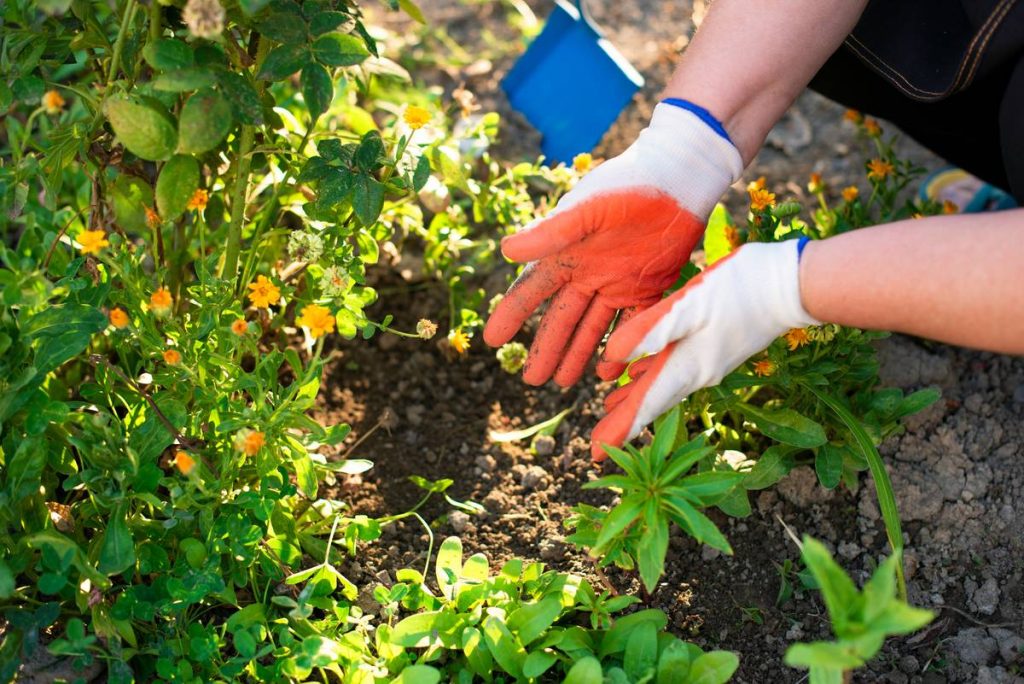
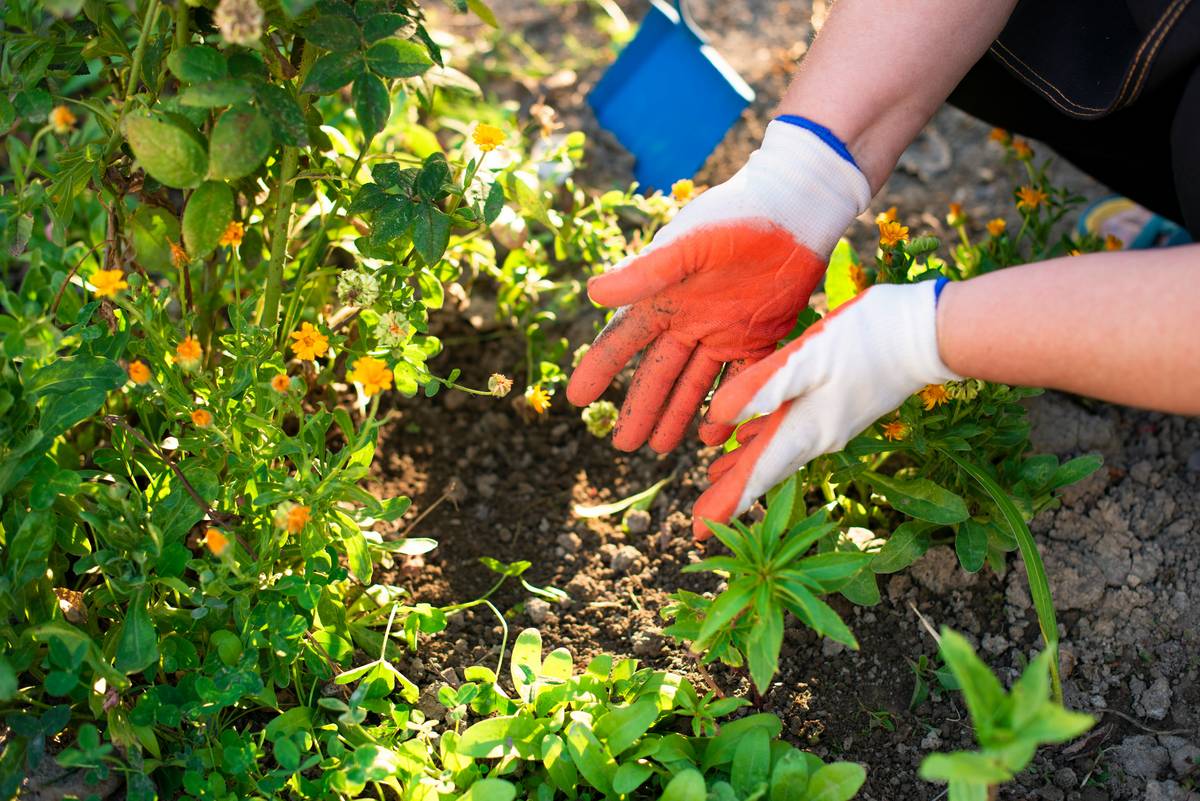
Mix granules into the top 4–6 inches of soil before transplanting or seeding. This ensures roots encounter nutrients gradually as they grow.
4. Side-Dress Mid-Season
About 3–4 weeks after planting, sprinkle a light band of fertilizer along rows or around individual plants (not directly on stems). Water thoroughly to activate release.
5. Never Skip the Water
Granular fertilizers need moisture to break down. Dry application without watering can concentrate salts near roots, causing burn. Always water in after applying.
Top 5 Best Practices for Long-Term Soil Health
- Less is more: Start with half the recommended dose—you can always add more, but you can’t take it back.
- Combine with compost: Granules feed plants; compost feeds soil microbes. Use both for synergy.
- Avoid summer midday applications: Heat + dry granules = increased burn risk. Apply early morning or late evening.
- Store properly: Keep bags sealed in a cool, dry place. Moisture causes clumping and nutrient loss.
- Rotate crops: Heavy feeders (tomatoes, corn) deplete nutrients faster—follow with legumes or greens to rebalance soil.
Real Results: What Happens When You Get It Right?
Last spring, I split my 4×8 raised bed in half: one side got a quality organic granular fertilizer vegetable garden blend (5-3-3 with alfalfa and rock phosphate), while the other relied solely on aged compost. By mid-July, the fertilized side produced 32% more tomatoes by weight—verified using a kitchen scale over weekly harvests. More importantly, the plants showed deeper green foliage and fewer blossom-end rot issues, likely due to consistent calcium availability from the granular formula.
This aligns with findings from Oregon State University’s extension studies, which show that targeted organic granular applications increase yield stability in home gardens by up to 40% compared to compost-only approaches.
Frequently Asked Questions
Is organic granular fertilizer safe for edible gardens?
Yes—when certified by OMRI (Organic Materials Review Institute). Always check for this seal to ensure no synthetic additives.
How often should I apply organic granular fertilizer to vegetables?
Typically twice: once at planting and once at early flowering. Heavy feeders like squash may need a third light application.
Can I use lawn fertilizer in my vegetable garden?
Never. Lawn formulas are high in nitrogen and may contain herbicides toxic to edibles. Always use products labeled for vegetables.
What’s the shelf life of organic granular fertilizer?
Properly stored, most retain potency for 2–3 years. Clumping or foul odors indicate degradation—discard if present.
Does organic granular fertilizer attract pests?
Not if fully incorporated into soil. Surface-applied manure-based types might draw flies temporarily, but granules break down quickly when watered in.
Where can I learn more about sustainable gardening practices?
Explore our About Us page to see how we’ve tested these methods in real home landscapes. Have specific questions? Reach out via our Contact Us form—we reply within 24 hours. And rest assured, your data stays protected per our Privacy Policy.
Remember: great gardens aren’t built on magic—they’re grown on smart choices, measured doses, and soil that remembers your care. So skip the shortcuts, trust the process, and let your veggies feast on real food.