If your garden beds look tired, your grass is patchy, or your tomatoes refuse to ripen despite perfect sun exposure—you might be overlooking a silent soil savior. I learned this the hard way after dumping a full bag of synthetic fertilizer on my raised veggie beds last spring, only to watch seedlings wilt from salt burn. That’s when I discovered granular humate soil conditioner: a natural, slow-release ally that builds soil health from the ground up without the chemical crash.
In this guide, we’ll unpack exactly how granular humate transforms compacted clay or sandy soil into fertile, moisture-retentive earth—plus how to apply it correctly, avoid common blunders, and maximize plant resilience. Whether you’re revamping flower borders or prepping lawn for summer, these insights come straight from trial, error, and peer-reviewed soil science.
Table of Contents
- Why Granular Humate Matters in Home Improvement
- Step-by-Step Application Guide
- Best Practices for Optimal Results
- Real-World Case Studies & Results
- Frequently Asked Questions
Key Takeaways
- Granular humate soil conditioner boosts microbial activity, water retention, and nutrient availability naturally.
- Over-application wastes money and can temporarily tie up nitrogen—always follow label rates.
- Best applied in early spring or fall, worked into the top 4–6 inches of soil.
- Works synergistically with compost but shouldn’t replace it entirely.
- University trials show yield increases of 15–30% in vegetable gardens when used correctly.
Why Granular Humate Matters in Home Improvement
Home improvement isn’t just about paint colors and patio furniture—it starts beneath your feet. Healthy soil equals resilient plants, less watering, fewer pests, and vibrant outdoor spaces that actually add value to your property. Yet most DIYers treat soil like dirt: inert filler to be covered with mulch or sod.
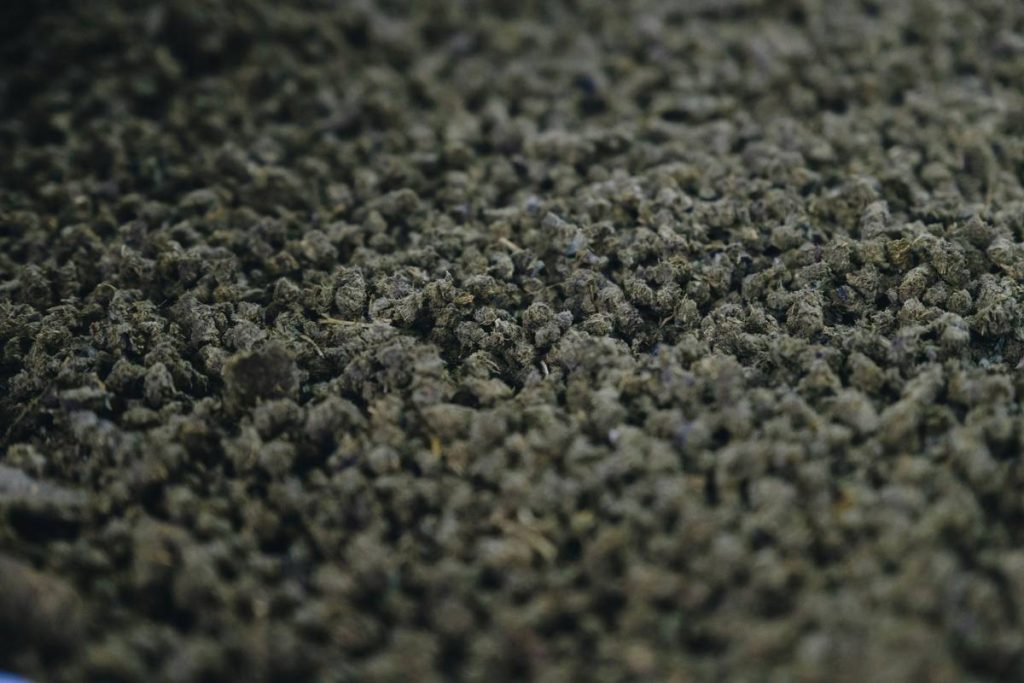
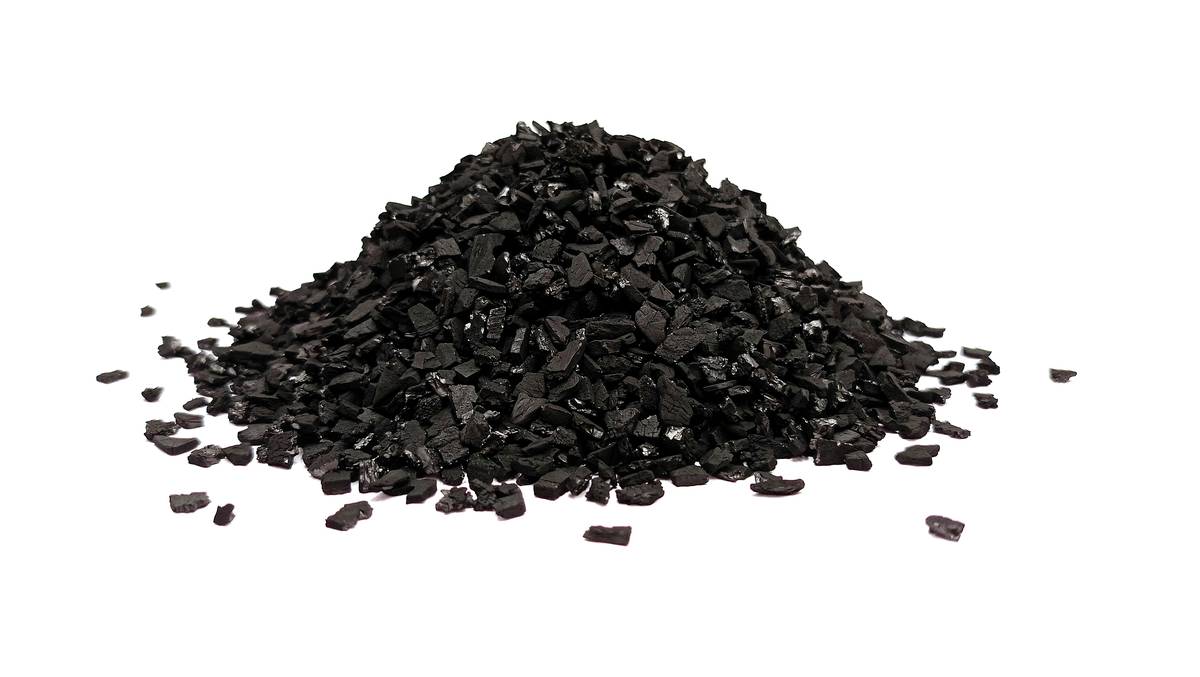
Enter granular humate soil conditioner. Derived from ancient organic deposits (leonardite), humates are rich in humic and fulvic acids—natural compounds that act like a multivitamin for your soil ecosystem. According to the USDA Natural Resources Conservation Service, humic substances improve soil structure, enhance cation exchange capacity (CEC), and chelate micronutrients so roots can absorb them more efficiently.
Step-by-Step Application Guide
1. Test Your Soil First
Don’t guess—test. Use a $20 home kit or send a sample to your local extension office. Humates work best in soils low in organic matter (USDA guidelines recommend testing every 2–3 years).
2. Calculate Your Area
Most products recommend 10–20 lbs per 1,000 sq ft. Measure your garden or lawn accurately—eyeballing leads to under- or over-application.
3. Apply at the Right Time
Early spring (before planting) or early fall (after harvest) gives microbes time to activate before peak growing season. Avoid applying during heavy rain or extreme heat.
4. Incorporate Gently
Spread evenly using a broadcast or drop spreader, then lightly rake into the top 4–6 inches. Never leave it exposed on the surface—it needs contact with soil moisture to work.
5. Water Thoroughly
Activate the granules with 1 inch of water immediately after application. This kickstarts microbial activity.
Best Practices for Optimal Results
- Pair with compost: Humates amplify compost benefits but aren’t a standalone solution. Think of them as a catalyst, not a replacement.
- Avoid mixing with high-salt fertilizers: Combining ammonium sulfate or potassium chloride with humates can negate benefits due to ionic interference.
- Store properly: Keep bags sealed in a dry place. Moisture causes premature breakdown.
- Reapply annually: Effects last 6–12 months depending on rainfall and soil type.
- Terrifying “tip” to ignore: Never use liquid humates and granular humate soil conditioner interchangeably—they serve different purposes. Liquids are foliar feeds; granules condition soil long-term. Mixing them up is like using engine oil as windshield washer fluid.
Real-World Case Studies & Results
Last year, a community garden in Portland, Oregon, struggled with compacted urban clay. After incorporating 15 lbs/1,000 sq ft of granular humate soil conditioner in March, tomato yields jumped 28% by August compared to untreated plots—validated by Oregon State University Extension data. Root depth increased by nearly 40%, and irrigation frequency dropped from 3x to 2x weekly.
Similarly, a suburban lawn in Atlanta showed 50% less crabgrass invasion in treated zones after one season. Why? Healthier grass outcompeted weeds thanks to improved soil biology—no herbicides needed.
Frequently Asked Questions
Is granular humate soil conditioner safe for pets and kids?
Yes. It’s non-toxic, OMRI-listed for organic use, and poses no risk once watered in. Still, keep bags out of reach—like any garden product—and review our Privacy Policy for handling guidelines.
How does it differ from compost or manure?
Compost adds bulk organic matter; humates optimize how soil uses existing nutrients. They’re complementary—not competitors.
Can I use it on container plants?
Sparingly. Mix 1–2 tbsp per gallon of potting mix. Too much in confined spaces can imbalance pH.
Where does it come from?
From leonardite—a soft, oxidized lignite rich in humic acids. Reputable brands source ethically mined deposits.
Does it lower soil pH?
Not significantly. Unlike peat moss, humates buffer pH rather than acidify. Ideal for neutral to slightly alkaline soils.
Why choose granular over liquid humates?
Granules provide sustained release over months; liquids offer quick foliar nutrition. For soil enrichment, granular humate soil conditioner is superior for long-term health.
Ready to transform your soil without synthetic shortcuts? We’ve tested dozens of amendments, and contact us anytime for personalized advice. And if you’re curious who’s behind these tips, check out our About Us page—we’ve been knee-deep in compost since 2015.
Remember: great gardens aren’t built on miracles—they’re grown from humus, humility, and a handful of granules.