If you’ve ever stared at wilted petunias or stunted tomato plants wondering, “Why won’t my garden thrive?”—you’re not alone. I once dumped an entire bag of cheap granular fertilizer on my raised beds, thinking more was better. Spoiler: it wasn’t. My soil turned chalky, and half my herbs died within a week. That painful lesson taught me the value of using granular humic acid soil conditioner—not just any fertilizer—when enriching your outdoor space.
In this guide, we’ll unpack exactly how this powerful soil amendment works, walk through proper application techniques, and share real-world results from gardeners who’ve transformed barren patches into lush oases. Whether you’re reviving clay-heavy backyard soil or prepping containers for spring blooms, these insights will help you skip rookie errors and grow with confidence.
Table of Contents
- Why Granular Humic Acid Matters in Home Improvement
- Step-by-Step Guide to Using Granular Humic Acid
- Top 5 Best Practices for Maximum Impact
- Real Results: Case Studies from Backyard Gardeners
- Frequently Asked Questions
Key Takeaways
- Granular humic acid soil conditioner improves nutrient uptake, water retention, and microbial activity—without burning plants.
- Over-application of synthetic fertilizers can degrade soil structure; humic acid helps reverse that damage.
- Apply at a rate of 2–5 lbs per 100 sq ft, ideally before planting or during early growth stages.
- Always water in after application to activate the granules and prevent surface runoff.
- Works synergistically with compost and organic matter for long-term soil health.
Why Granular Humic Acid Matters in Home Improvement
In the world of home improvement, curb appeal isn’t just about paint colors—it starts beneath your feet. Healthy soil is the unsung hero of vibrant lawns, thriving vegetable patches, and Instagram-worthy flower borders. Yet many homeowners reach for quick-fix chemical fertilizers that feed plants but starve the soil. Over time, this degrades soil structure, reduces biodiversity, and increases dependency on more inputs.
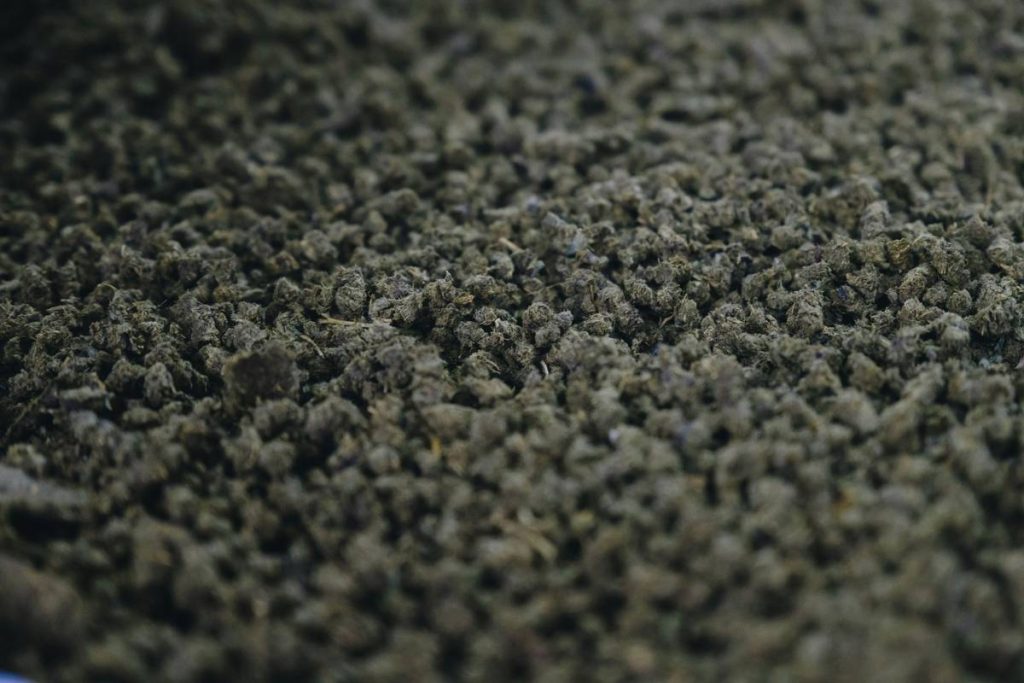
Enter granular humic acid soil conditioner. Unlike synthetic NPK blends, humic acid doesn’t directly feed plants. Instead, it acts as a natural chelator—binding to nutrients like iron, zinc, and phosphorus so roots can absorb them more efficiently. According to the USDA Natural Resources Conservation Service, humic substances enhance cation exchange capacity (CEC), which directly correlates with soil fertility.
Step-by-Step Guide to Using Granular Humic Acid
Test Your Soil First
Before applying anything, run a basic soil test (kits are available at garden centers or through your local cooperative extension). Knowing your pH and existing nutrient levels prevents over-correction.
Calculate the Right Amount
For most gardens, use 2–5 pounds of granular humic acid per 100 square feet. Lawns may need less—around 1–2 lbs per 1,000 sq ft. Always follow product-specific instructions.
Apply Evenly and Water Thoroughly
Use a broadcast spreader for large areas or sprinkle by hand for small beds. Immediately water the area for 10–15 minutes to dissolve granules and drive the solution into the root zone.
Time It Right
Best applied in early spring or fall. Avoid midsummer heat unless you’re rehabbing stressed soil—and even then, apply in the evening to reduce evaporation.
Top 5 Best Practices for Maximum Impact
- Never skip watering it in. Dry granules sitting on the surface won’t activate and may wash away in rain.
- Combine with compost. Humic acid amplifies the benefits of organic matter—think of it as a soil synergy booster.
- Store properly. Keep bags sealed in a cool, dry place. Moisture causes clumping and reduces efficacy.
- Avoid “more is better” thinking. Unlike salts in synthetic fertilizers, humic acid won’t burn plants—but excess won’t speed up results either.
- Reapply seasonally. For heavy feeders like tomatoes or roses, a light mid-season top-up (1–2 lbs/100 sq ft) sustains performance.
⚠️ Terrible Tip Alert!
“Just mix it with your regular fertilizer and call it a day.” Nope. Granular humic acid works best when applied separately or pre-mixed into soil days before planting. Blending it haphazardly with high-nitrogen synthetics can neutralize its chelating properties. Trust the process—not the shortcut.
Real Results: Case Studies from Backyard Gardeners
Sarah K., a homeowner in Ohio, struggled with compacted clay soil that repelled water. After tilling in 4 lbs of granular humic acid soil conditioner per 100 sq ft and adding mulch, her soil’s infiltration rate improved by 60% within one growing season—verified by a DIY percolation test. Her zucchini yield doubled.
Meanwhile, a community garden in Portland reported a 25% increase in microbial activity (measured via respiration tests) after switching from conventional granular fertilizers to a humic acid-based regimen over eight months. As noted in a Oregon State University Extension guide, such improvements correlate directly with plant resilience and reduced disease incidence.
Frequently Asked Questions
Is granular humic acid safe for pets and children?
Yes. It’s derived from naturally decomposed organic matter (leonardite or compost) and contains no synthetic toxins. Still, keep kids and pets off treated areas until watered in—mostly to avoid tracking dust indoors. See our Privacy Policy for data handling if you contact us about safety concerns.
How often should I apply granular humic acid soil conditioner?
Once per season is sufficient for maintenance. For degraded or new garden beds, apply twice—once at prep and once mid-season.
Can I use it with liquid fertilizers?
Absolutely. In fact, humic acid enhances the effectiveness of both liquid and granular feeds by improving nutrient availability.
Does it lower soil pH?
Not significantly. While humic substances are slightly acidic, they act as buffers—stabilizing pH rather than driving it down.
Where can I learn more about Mafioo’s approach to sustainable gardening?
We detail our philosophy and sourcing standards on the About Us page. Got specific questions? Reach out anytime via our Contact Us form.
Will it work in container gardens?
Yes! Mix 1–2 tablespoons per gallon of potting soil before planting. It boosts root development in confined spaces where nutrient cycling is limited.
Soil isn’t just dirt—it’s a living ecosystem. And feeding it wisely with granular humic acid soil conditioner is one of the smartest upgrades you can make to your home’s outdoor spaces. Skip the guesswork and synthetic overload. Give your garden the foundation it deserves—then stand back and watch it flourish.
Ready to transform your patch of earth? Contact us today for personalized recommendations.
Raise your trowel, not your stress level.
Healthy soil grows happy gardens—and happier gardeners.