If your flower beds look more like a wilted disappointment than a vibrant showpiece, you might be using the wrong fertilizer—or applying it all wrong. I’ve been there: standing in my garden with a bag of granular fertilizer for flowers, confidently scattering it like confetti, only to watch my petunias sulk into early retirement. The truth? Not all granular fertilizers are created equal, and timing, composition, and technique matter far more than most gardeners realize.
In this guide, we’ll cut through the marketing fluff and deliver seven practical, expert-backed strategies to get your blooms thriving—without burning roots or wasting money. You’ll learn how to choose the right formula, apply it safely, and avoid the #1 mistake that kills more flowers than pests or drought.
Table of Contents
- Why Granular Fertilizer Matters for Flower Health
- Step-by-Step Guide to Applying Granular Fertilizer Safely
- Pro Tips for Maximizing Bloom Power
- Real Results: Case Studies from Home Gardeners
- Frequently Asked Questions
Key Takeaways
- Granular fertilizers offer slow-release nutrition ideal for long-blooming annuals and perennials.
- Always check the N-P-K ratio—flowers typically need higher phosphorus (the middle number) for blooms.
- Over-application is the most common—and preventable—cause of root burn and plant stress.
- Watering after application is non-negotiable; dry granules left on soil can damage tender roots.
- Pair fertilizer use with soil testing for best results (see USDA’s free gardening guides).
Why Granular Fertilizer Matters for Flower Health
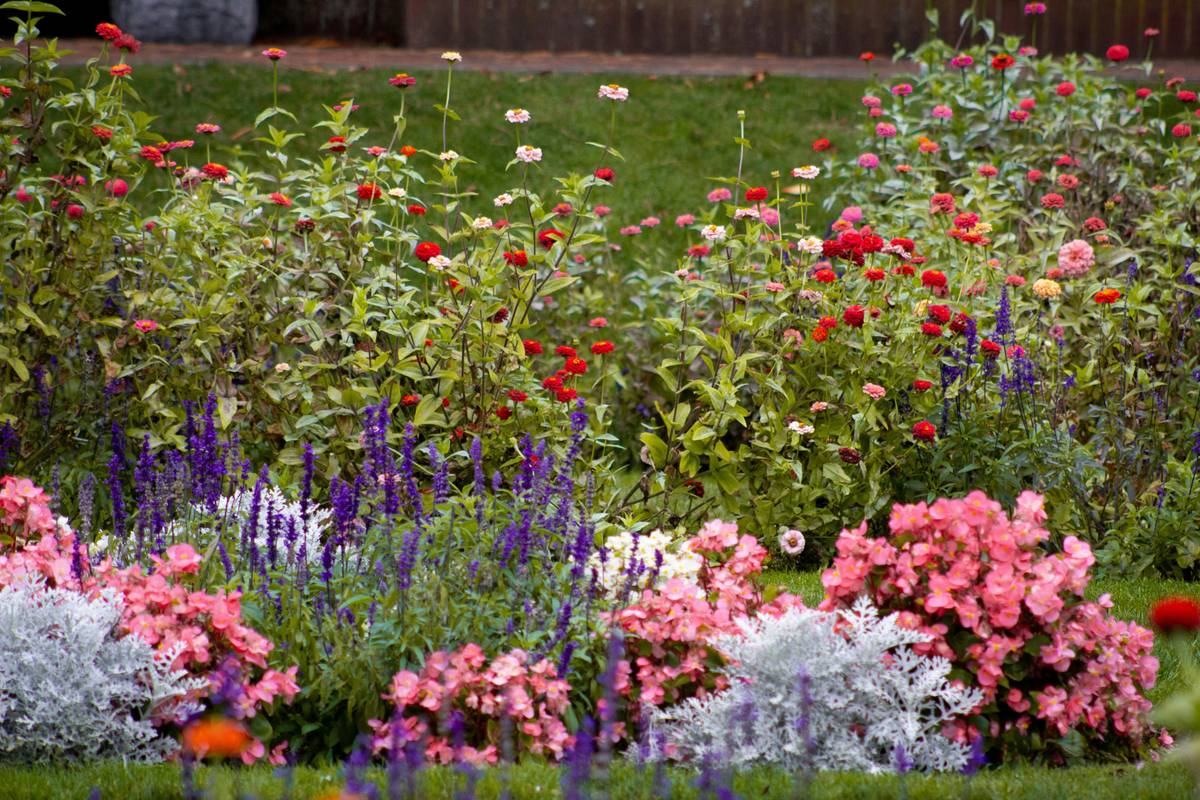
In home improvement, curb appeal starts at ground level—and nothing boosts visual impact faster than lush, colorful blooms. But flowers are nutrient-hungry performers. Unlike lawns that thrive on nitrogen-heavy feeds, flowering plants crave phosphorus to develop buds and potassium for strong stems and disease resistance.
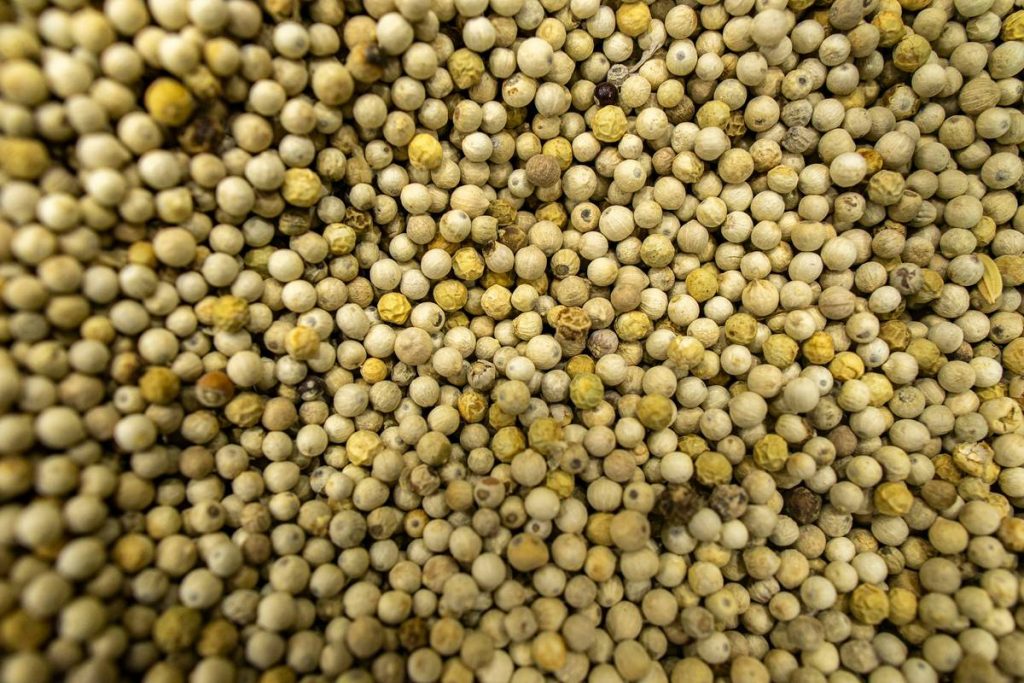
Granular fertilizers release nutrients slowly as they dissolve with moisture, providing consistent feeding over weeks or months. This steadiness prevents the “feast-or-famine” cycles caused by liquid feeds, which can shock plants with sudden nutrient surges. According to the University of Florida IFAS Extension, slow-release granular formulas reduce leaching and improve uptake efficiency by up to 30% compared to water-soluble alternatives.
Step-by-Step Guide to Applying Granular Fertilizer Safely
1. Test Your Soil First
Don’t guess—test! A $15 kit from your local nursery or a lab analysis (like those offered through soiltest.org) reveals pH and existing nutrients. Many flower problems stem from imbalanced soil, not lack of fertilizer.
2. Choose the Right N-P-K Ratio
Look for formulas like 5-10-5 or 10-20-10. The middle number (phosphorus) should be highest for flowering plants. Avoid “all-purpose” 10-10-10 blends—they’re fine for vegetables but suboptimal for blooms.
3. Apply at the Right Time
Best practice: apply granular fertilizer for flowers just as new growth appears in spring, then again mid-season for repeat bloomers like roses or zinnias. Never fertilize during heatwaves or drought—stressed plants can’t absorb nutrients properly.
4. Measure and Distribute Evenly
Use a broadcast spreader or calibrated scoop. Overdoing it won’t give better results—it’ll burn roots. Stick to the package rate; if in doubt, under-apply.
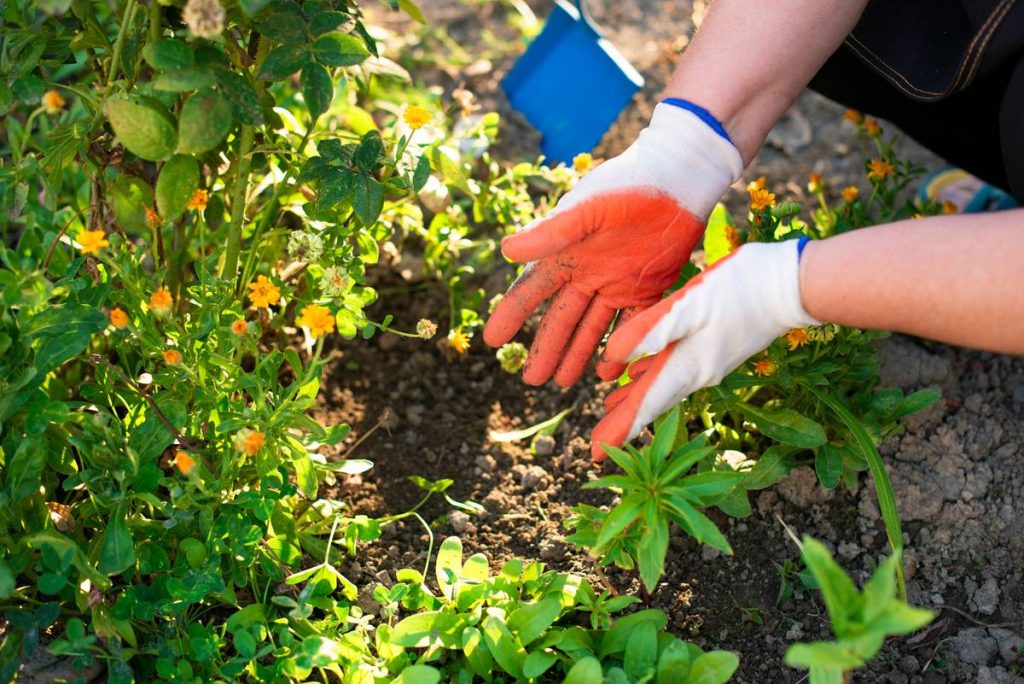
5. Water Thoroughly After Application
This dissolves granules and carries nutrients into the root zone. Skipping this step is how I killed my first batch of impatiens—lesson learned the hard way.
Pro Tips for Maximizing Bloom Power
- Mix into soil at planting: For new beds, incorporate granules into the top 4–6 inches before planting.
- Avoid direct contact: Keep granules 2–3 inches away from stems to prevent chemical burn.
- Combine with compost: Organic matter improves fertilizer retention—especially in sandy soils.
- Never use lawn fertilizer on flowers: High-nitrogen blends promote leafy growth at the expense of blooms.
And here’s a terrible tip I once heard (and almost followed): “Just double the dose for extra color.” Wrong. Excess phosphorus can lock out iron and zinc, causing yellowing leaves—a problem harder to fix than under-fertilizing.
Real Results: Case Studies from Home Gardeners
Sarah K. from Portland switched from liquid feed to a 6-12-6 granular fertilizer for flowers in her cottage garden. Within eight weeks, her dahlias produced 40% more blooms, with stronger stems that didn’t flop in rain. She credits consistent nutrient release and reduced watering frequency.
A University of Georgia trial found that marigolds fed with controlled-release granular fertilizer showed 22% greater flower longevity and deeper petal coloration compared to unfed control groups. The study emphasized that proper application timing—not just product choice—drove success (UGA Extension, 2023).
Frequently Asked Questions
Can I use granular fertilizer for flowers on potted plants?
Yes, but use half the recommended rate. Containers have limited soil volume, so nutrients concentrate faster. Always water well after applying.
How often should I apply granular fertilizer for flowers?
Most slow-release formulas last 6–8 weeks. Reapply every 2 months during the growing season—but stop by late summer to avoid tender new growth before frost.
Is organic granular fertilizer better than synthetic?
Both work. Organic options (like bone meal or alfalfa meal) feed soil microbes long-term but act slower. Synthetics offer precise N-P-K control. Choose based on your gardening philosophy and timeline.
What’s the best granular fertilizer for roses?
Roses love phosphorus. Look for formulas labeled “for flowering shrubs” with an N-P-K like 4-8-4 or 6-12-6, often enriched with magnesium for richer color.
Getting your flowers to dazzle isn’t about magic—it’s about method. With the right granular fertilizer for flowers, applied wisely, you’ll transform patchy beds into neighborhood showstoppers. Ready to tailor a feeding plan for your unique garden? Contact us—we’re rooted in helping homeowners grow smarter. (And yes, we follow our own Privacy Policy when handling your queries.) Learn more about our mission on the About Us page.
Blooms fade, but great soil lasts forever.