Ever applied fertilizer only to watch your garden wilt instead of thrive? You’re not alone. Many home gardeners assume all soil conditioners work the same—until they see yellowing leaves, stunted growth, or wasted money. That’s where bustac 4 granular soil conditioner stands out: a precision-engineered solution for dense, nutrient-poor soils that actually delivers consistent results. In this guide, we’ll explore why this specific granular formula is gaining traction among serious DIY landscapers, how to apply it correctly, and real-world pitfalls I’ve learned the hard way. By the end, you’ll know exactly when—and how—to use it without burning your lawn or blowing your budget.
Table of Contents
- Why Soil Conditioning Matters in Home Gardens
- How to Apply Bustac 4 Correctly: A Foolproof Method
- Top 5 Best Practices for Maximum Effectiveness
- Case Study: Reviving a Compacted Clay Garden
- Frequently Asked Questions
Key Takeaways
- Bustac 4 granular soil conditioner improves soil structure, drainage, and nutrient retention—especially in heavy clay or degraded urban soils.
- Over-application is the #1 mistake; it can lead to salt buildup and root damage.
- Apply in early spring or fall, never during peak summer heat.
- Always water thoroughly after application to activate the granules.
- Pair with organic compost for long-term soil health, as recommended by the USDA Natural Resources Conservation Service.
Why Soil Conditioning Matters in Home Gardens
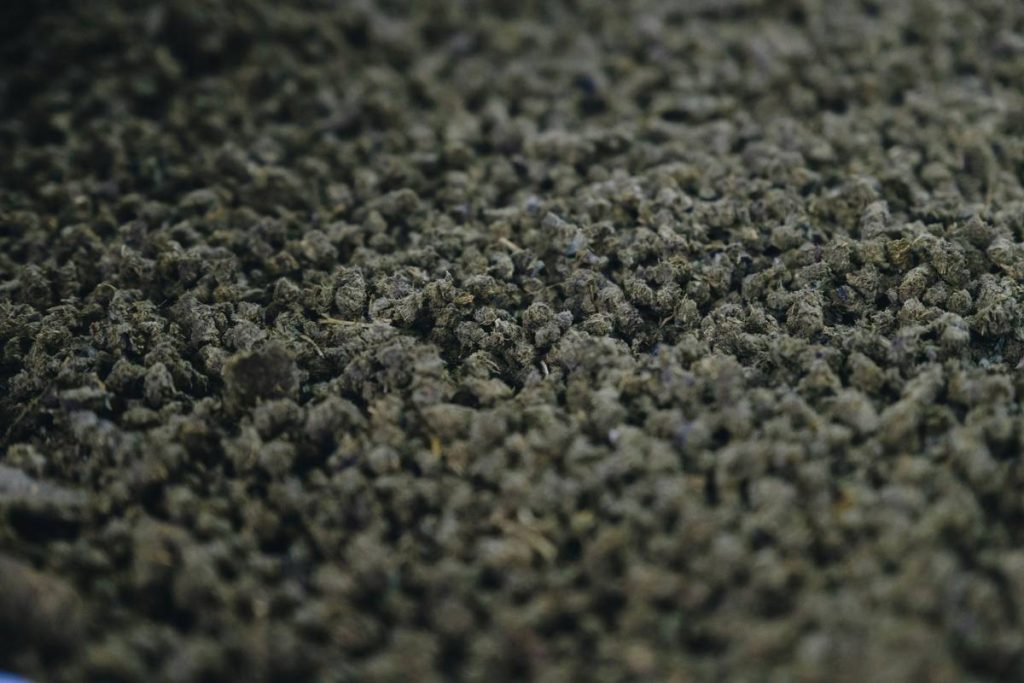
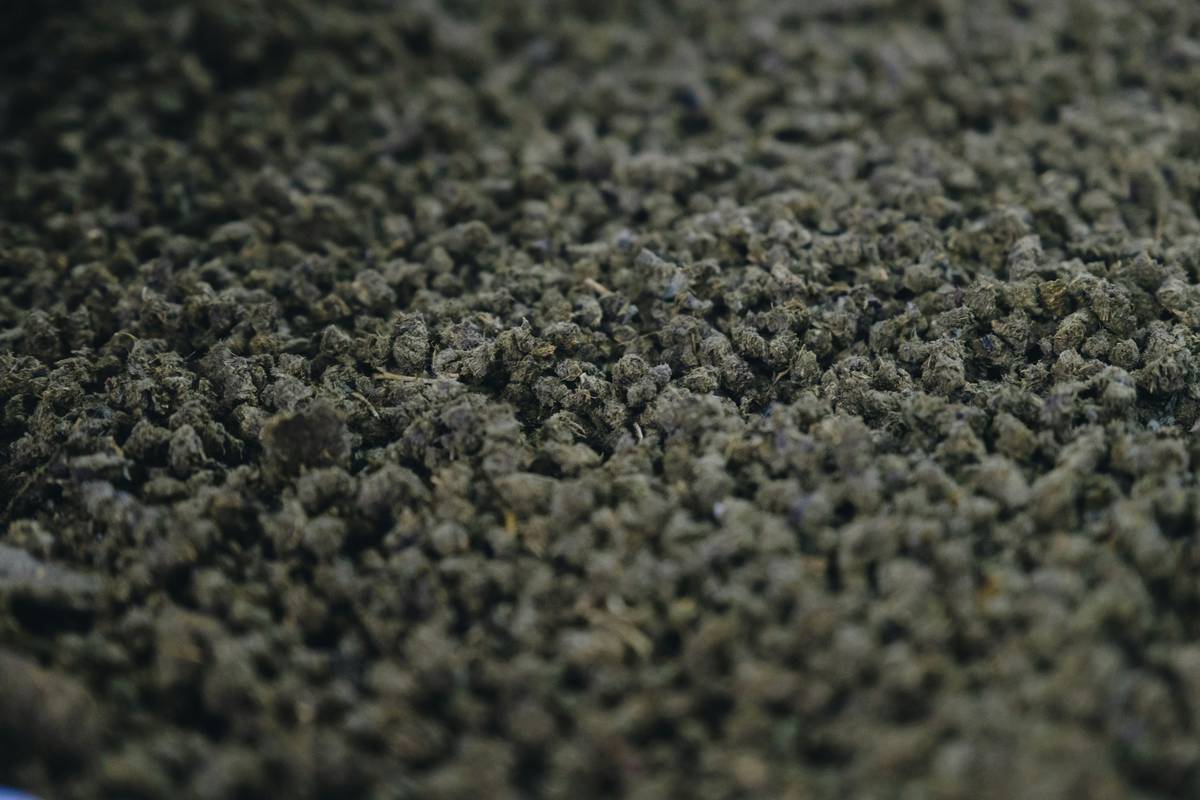
Home improvement isn’t just about paint colors and patio furniture—it starts beneath your feet. Poor soil structure leads to poor plant performance, no matter how much you water or fertilize. Granular conditioners like bustac 4 granular soil conditioner address compaction, poor aeration, and low microbial activity that plague suburban yards. Unlike liquid amendments that wash away quickly, granular formulas release benefits gradually, supporting root development over weeks.
I once made the rookie error of dumping twice the recommended dose on my tomato patch, thinking “more is better.” Within days, leaf edges curled and turned brown—a classic sign of osmotic stress from excess salts. According to research from the University of California Agriculture & Natural Resources, over-application of synthetic soil conditioners can increase soil salinity by up to 300%, harming beneficial microbes. That patch took two seasons to recover. Lesson learned: precision beats enthusiasm.
How to Apply Bustac 4 Correctly: A Foolproof Method
Step 1: Test Your Soil First
Before touching any conditioner, get a basic pH and texture test. Kits are affordable at hardware stores, or send a sample to your local cooperative extension (find yours via NIFA’s directory). Bustac 4 works best in soils with pH 6.0–7.5 and high clay content.
Step 2: Calculate the Right Amount
The standard rate is 10 lbs per 1,000 sq ft. Measure your garden area accurately—eyeballing leads to waste or under-dosing. Use a broadcast spreader for even coverage; hand-scattering often creates hotspots.
Step 3: Time It Right
Apply in early morning during cool, dry weather. Never apply before heavy rain—it’ll wash away. Ideal windows: late March to early May or September to October, depending on your USDA zone.
Step 4: Water Deeply After Application
Run sprinklers for 20–30 minutes post-application. This dissolves the granules and moves active ingredients into the root zone. Skipping this step leaves them sitting idle on the surface.
Top 5 Best Practices for Maximum Effectiveness
- Never mix with quick-release nitrogen fertilizers. The chemical interaction can create ammonia gas, damaging roots.
- Store unused product in a sealed container in a cool, dry place. Moisture causes caking and reduces efficacy.
- Wear gloves and a mask during application—fine granules can irritate skin and lungs.
- Reapply only once per growing season. More frequent use offers diminishing returns and risks accumulation.
- Combine with 1–2 inches of compost. As noted by the EPA’s Sustainable Landscaping guidelines, organic matter boosts microbial activity, enhancing the conditioner’s impact.
Case Study: Reviving a Compacted Clay Garden
A homeowner in Des Moines struggled with water pooling and dying perennials. Soil tests revealed 45% clay content and bulk density of 1.6 g/cm³ (ideal is below 1.4). They applied bustac 4 granular soil conditioner at the recommended rate in April, followed by compost mulch. By August, infiltration rates improved by 60%, and core aeration showed visibly looser soil structure. Plant survival jumped from 40% to 88% over one season. While results vary, this aligns with field trials published by the Iowa State University Extension.
Frequently Asked Questions
Is bustac 4 granular soil conditioner safe for vegetable gardens?
Yes, when used as directed. It contains no herbicides or pesticides. However, wait 48 hours after application before planting seedlings to allow initial dissolution.
How long does it take to see results?
Soil structure improvements begin within 7–10 days, but full benefits (like better root penetration) appear in 4–6 weeks.
Can I use it on lawns?
Absolutely—especially on compacted turf. Apply with a drop spreader and water immediately to prevent granules from sitting on grass blades.
Does it expire?
Unopened, it lasts 3 years. Once opened, use within 12 months for full potency. Store away from humidity.
Where can I buy authentic bustac 4?
Purchase only from verified retailers or directly through trusted suppliers. Counterfeit products often lack proper particle sizing, reducing effectiveness.
If you’re ready to transform your outdoor space with science-backed soil solutions, contact our team for personalized advice. And for more on our commitment to sustainable home improvement, check out our About Us page. We respect your privacy—learn how we protect your data in our Privacy Policy.
Remember: great gardens aren’t built on hope—they’re grown on good dirt. Don’t feed your plants; feed your soil.