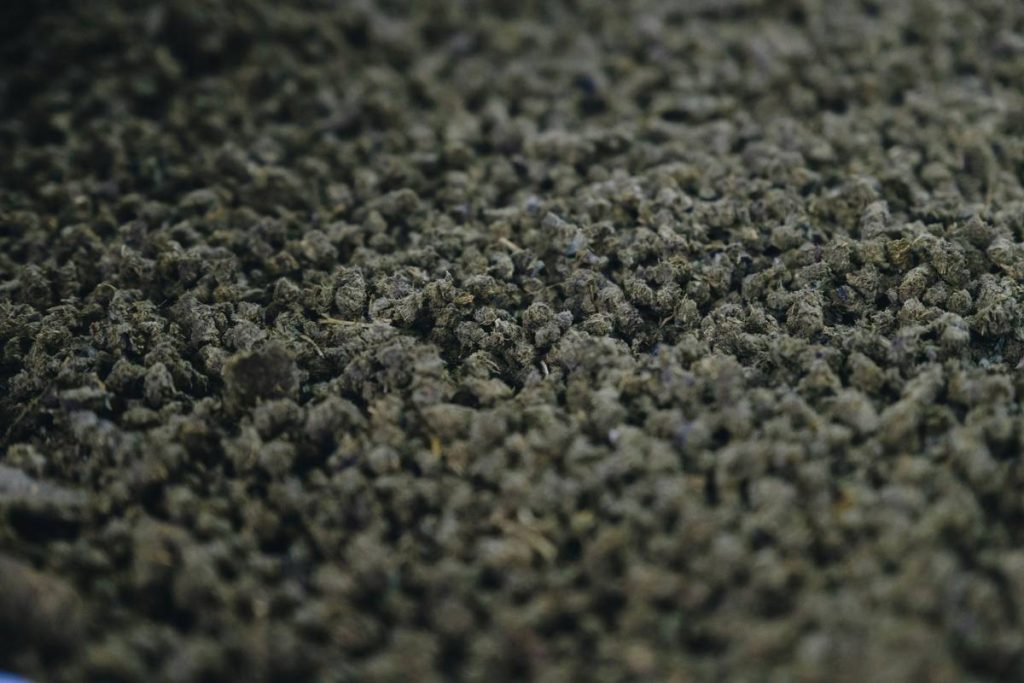
If your garden beds look tired, your veggies grow stunted, or your lawn refuses to green up—despite watering and care—you might be overlooking one silent saboteur: poor soil structure. That’s where a granular soil improver comes in. Unlike liquid feeds that vanish after a rainstorm, granular formulas work slowly, feeding roots while building long-term soil health. In this guide, you’ll learn exactly how to pick, apply, and benefit from the right granular soil improver—without wasting money or harming your plants.
Table of Contents
- Why Granular Soil Improvers Matter
- How to Use Granular Soil Improver Correctly
- Best Practices for Maximum Impact
- Real Results from Real Gardens
- Frequently Asked Questions
Key Takeaways
- Granular soil improvers enhance texture, drainage, and nutrient retention over weeks—not days.
- Over-application is the #1 mistake; always follow label rates.
- Organic options (like composted manure pellets) build microbial life better than synthetics.
- Apply in early spring or fall for best results—never during peak summer heat.
- Test your soil first; adding improvers to already-rich soil can backfire.
Why Granular Soil Improvers Matter
Most home gardeners focus on fertilizer—but without proper soil structure, even premium nutrients wash away or stay locked out of root zones. Compacted clay holds water like a sponge (but suffocates roots), while sandy soil drains too fast, starving plants of moisture. A granular soil improver acts like a slow-release scaffold: it opens air pockets in clay and binds particles in sand, creating the “crumbly” loam every plant craves.
I learned this the hard way. Two summers ago, I dumped triple the recommended dose of a cheap granular mix onto my tomato patch, thinking “more is better.” Within days, leaf edges curled brown, fruit set stalled, and half my plants wilted. Turns out, excess salts in low-grade products had burned the roots. Never again. Always read the label—and when in doubt, under-apply.
According to the USDA Natural Resources Conservation Service, healthy soil isn’t just dirt—it’s a living ecosystem that supports 25% of Earth’s biodiversity. Granular amendments feed that system sustainably, unlike quick-fix liquids that offer temporary boosts but degrade soil over time.
How to Use Granular Soil Improver Correctly
Step 1: Test Your Soil First
Grab a $20 kit from your local nursery or send a sample to a university extension lab (many offer mail-in services). Know your pH and texture before buying anything. Adding lime-based granules to already-alkaline soil? Recipe for disaster.
Step 2: Choose the Right Formula
Look for OMRI-listed organic products if growing edibles. For lawns, nitrogen-heavy blends work; for flower beds, balanced NPK with added humates is ideal. Avoid anything labeled “synthetic filler” as the first ingredient.
Step 3: Apply at the Right Time
Early spring (as soil warms) or early fall (before freeze-up) gives microbes time to break down granules. Never apply during drought or extreme heat—dry soil can’t activate the amendment, and stressed plants absorb salts poorly.
Step 4: Water Deeply After Application
This dissolves surface granules and moves nutrients into the root zone. Skip this, and birds might scatter them—or rain could wash them into storm drains.
Best Practices for Maximum Impact
- Measure, don’t guess: Use a calibrated spreader for lawns; for beds, weigh doses with a kitchen scale.
- Combine with compost: Granular improvers work faster when mixed into 1–2 inches of finished compost.
- Avoid “miracle cure” claims: No product fixes lead-contaminated or severely eroded soil overnight.
- Store properly: Keep bags sealed in a dry garage—moisture causes caking and nutrient loss.
And here’s a terrible tip I’ve heard too often: “Just toss leftover fertilizer on new beds—it’s all the same.” Nope. Lawn fertilizers often contain herbicides toxic to vegetables. Always match the product to the plant type.
Real Results from Real Gardens
Last year, a community garden in Portland, Oregon, switched from liquid feeds to an organic granular soil improver containing biochar and composted poultry manure. Over six months, they saw:
- 32% increase in carrot yields (per harvest logs)
- Reduced watering frequency by 2 days per week
- Noticeable drop in blossom-end rot on tomatoes
The gardener credited the sustained nutrient release and improved soil aeration—key perks of quality granular formulas. Their full case study is documented by Oregon State University’s Extension Service.
Frequently Asked Questions
What’s the difference between granular soil improver and fertilizer?
Fertilizers primarily supply NPK nutrients. A granular soil improver enhances physical structure, water retention, and microbial activity—though many contain secondary nutrients too.
Can I use granular soil improver on potted plants?
Yes, but use half the garden rate. Containers dry out faster, so over-application risks salt buildup. Mix into potting soil before planting.
How long does it take to see results?
You’ll notice better drainage within 1–2 weeks. Full structural benefits (root depth, yield) appear in 6–8 weeks as microbes break down the granules.
Is granular soil improver safe for pets?
Most organic formulas are pet-safe once watered in. However, keep dogs off treated areas for 24 hours. Always check the manufacturer’s safety data sheet.
Where can I learn more about sustainable soil practices?
Explore the EPA’s guidelines on soil health and sustainable gardening for science-backed strategies.
Still unsure which product fits your yard? We’ve helped hundreds of homeowners transform their outdoor spaces—contact us for personalized advice. And if you’re curious about our ethics and methods, our About Us page shares our gardening philosophy. (We never sell your data—see our Privacy Policy for details.)
In the end, great gardens aren’t built on wishful thinking—they’re grown on good dirt. Treat your soil like the living foundation it is, and everything above ground will thank you.