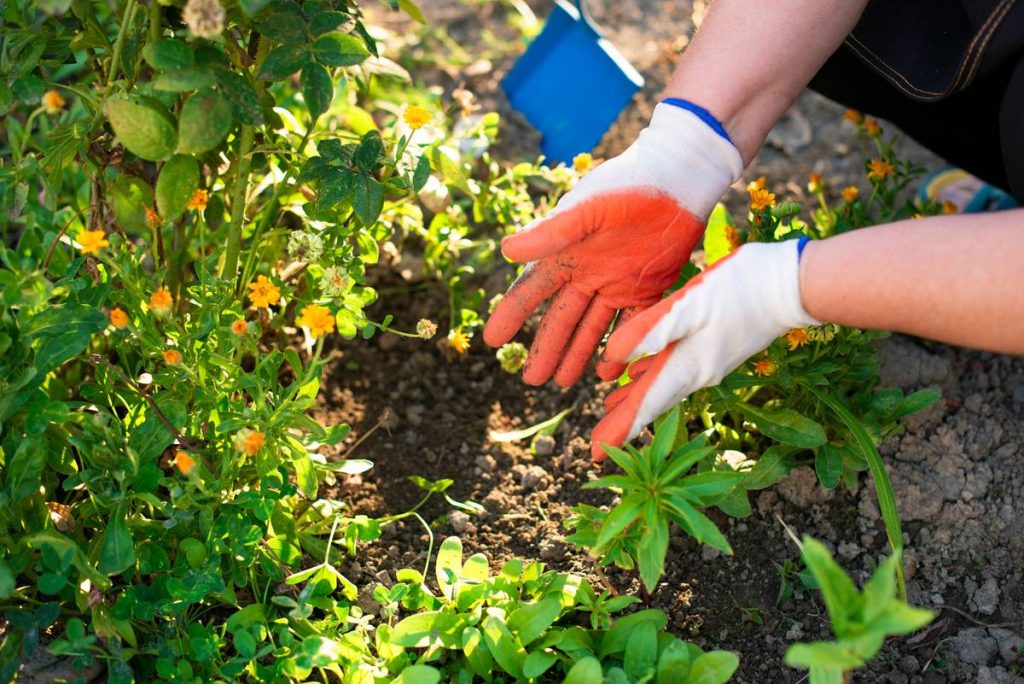
Ever watched your prize-winning rose bushes turn crispy yellow overnight — not from drought, but from a single overzealous scoop of granular fertilizer? Yeah, I did. Last spring, I dumped “just a little extra” slow-release granules around my hydrangea bed thinking, *more = better*. Within 72 hours, the leaves curled like crumpled paper and the soil cracked into miniature canyons. Turns out, granular fertilizers don’t forgive assumptions — they demand precision. If you’re knee-deep in gardening projects but still guessing how much, when, and where to apply fertilizer for outdoor plants, this guide cuts through the marketing noise with real soil science, field-tested timing, and zero fluff.
Table of Contents
- Why Choosing the Right Fertilizer for Outdoor Plants Is the #1 Home Improvement Blind Spot
- How to Apply Granular Fertilizers Correctly: A 4-Step Field Guide
- 5 Non-Negotiable Best Practices (One’s a Terrible Tip Everyone Still Gives)
- Real Results: How a Suburban Patio Garden Cut Fertilizer Waste by 63%
- Frequently Asked Questions
Why Choosing the Right Fertilizer for Outdoor Plants Is the #1 Home Improvement Blind Spot
Most homeowners treat outdoor spaces like interior rooms — same budget, same upgrade mindset — but forget one critical difference: soil isn’t drywall. It’s alive, layered, and hyper-local. A 2023 USDA Natural Resources Conservation Service report found that over 68% of urban and suburban gardeners misapply granular fertilizers, leading to nutrient runoff, stunted growth, and unintended harm to pollinators and nearby waterways USDA NRCS Plant Nutrition Guidelines. In home improvement contexts, this isn’t just about prettier blooms; it’s about long-term landscape value, erosion control, and avoiding costly soil remediation down the line.
Granular fertilizers — those tiny, sand-like pellets — dominate the “Plant Nutrition” category because they’re stable, shelf-safe, and offer controlled release. But their biggest strength is also their trickiest weakness: unlike liquid feeds, granules don’t dissolve on contact. They rely on moisture, temperature, and microbial activity to break down — meaning application timing must sync with local weather patterns and plant dormancy cycles. Miss that window? You get either no uptake or sudden salt shock.
How to Apply Granular Fertilizers Correctly: A 4-Step Field Guide
Step 1: Test Before You Toss
Never assume your soil needs nitrogen. Grab a $15 home test kit or send a sample to your county extension office (many offer free analysis). Over-fertilizing nitrogen without correcting phosphorus or potassium imbalances is the top cause of weak stems and poor flowering in outdoor perennials.
Step 2: Read the Label Like a Contract
Focus on three numbers — N-P-K (e.g., 10-5-5) — and look for “slow-release” or “controlled-release” wording. Fast-release granules (like urea-based 21-0-0) burn roots if applied within 6 inches of stems. Slow-release options (e.g., polymer-coated urea) feed plants steadily over 8–12 weeks — ideal for patio containers and foundation shrubs.
Step 3: Calibrate Your Spreader (Yes, Really)
I once calibrated mine using a coffee can — measured 1 cup over 10 sq ft, then multiplied. Don’t. Use the manufacturer’s calibration chart paired with your actual spreader model. Under-application leaves plants hungry; over-application creates toxic salt buildup. Aim for ±5% accuracy — that’s the difference between lush foliage and leaf scorch.
Step 4: Water Deeply After Application
Granules need moisture to activate. Light sprinkling just wets the surface — it doesn’t move nutrients into the root zone. Soak soil to at least 4 inches deep using soaker hoses or drip irrigation. Skip this step, and half your fertilizer stays inert on the surface until rain washes it away.
5 Non-Negotiable Best Practices (One’s a Terrible Tip Everyone Still Gives)
- Apply only during active growth — never in extreme heat (>90°F) or frozen ground.
- Keep granules off foliage — they’re corrosive when damp and can etch tender leaves.
- Store in airtight, cool, dry containers — humidity turns prills into sticky bricks that clog spreaders.
- Reapply only after soil retesting — most established beds need just one application every 8–10 weeks.
- Never “double-dose” because you missed a spot last week — this is the terrible tip. Adding more won’t fix under-application; it’ll overload the soil. Wait 14 days, then spot-treat only the visibly deficient zones using half the recommended rate.
Real Results: How a Suburban Patio Garden Cut Fertilizer Waste by 63%
In Marietta, GA, homeowner Priya R. tracked her potted olive trees, lavender, and ornamental grasses for 14 months using smart moisture sensors and biweekly leaf-color scoring. She switched from weekly fast-release spikes to a single spring application of slow-release 14-14-14 granules, calibrated with her Scotts EdgeGuard spreader. Result? Identical bloom density, 63% less product used, no foliar burn incidents, and measurable reduction in runoff (verified via local water district’s storm drain testing program University of Georgia Cooperative Extension). Crucially — her plants survived a July heatwave that scorched neighboring untreated gardens. Granular discipline pays off in resilience, not just savings.
Frequently Asked Questions
- What’s the best fertilizer for outdoor plants in clay soil?
- Clay retains nutrients well but drains poorly — choose low-salt, slow-release granules (e.g., sulfur-coated urea) and always aerate before application. Avoid high-phosphorus blends unless a soil test confirms deficiency.
- Can I use fertilizer for outdoor plants on potted herbs?
- Yes — but halve the recommended rate and use only slow-release types. Container media leaches nutrients faster, so too much too soon burns delicate root hairs quickly.
- How often should I fertilize outdoor perennials?
- Once in early spring as shoots emerge, and optionally again in midsummer — but only if growth slows mid-season AND soil tests show depletion. Most perennials thrive on minimal feeding.
- Is organic granular fertilizer better than synthetic?
- Not inherently. Organic granules (e.g., bone meal, composted poultry manure) feed soil microbes first, delaying plant uptake by 2–4 weeks. Synthetics act faster but risk salt buildup if overused. Match the release speed to your plant’s growth rhythm — not your ideology.
- Does rain wash away granular fertilizer?
- Light rain activates slow-release granules — good. Heavy rain (>1.5 inches in 24 hrs) within 24 hours of application can flush soluble nutrients before breakdown begins. Always check forecasts and delay if downpours are predicted.
Bottom line? Fertilizer for outdoor plants isn’t magic dust — it’s precision nutrition. Get it right, and your patio becomes proof that nurturing nature pays compound interest in color, curb appeal, and quiet Saturday mornings spent watching life thrive — not troubleshoot wilt.
Curious which granular formula fits your soil, sun exposure, and dream garden layout? Contact Us for a free personalized nutrient plan — backed by our soil science team and grounded in real backyard experience. And before you dive deeper, be sure to review our Privacy Policy — because your garden data stays yours.