If your tomato plants are stunted or your peppers refuse to fruit, the culprit might be under your feet—not in the pests, but in the soil. Many home gardeners assume tossing a handful of fertilizer is enough, only to end up with yellowing leaves and wasted harvests. As someone who once accidentally burned an entire crop of zucchini with overzealous granular application (more on that later), I know how frustrating—and preventable—this can be.
This guide cuts through the noise to show you exactly how to use granular fertilizer for vegetables effectively, safely, and affordably. You’ll learn when to apply it, how to avoid common blunders, and why not all “balanced” labels are created equal. Let’s turn your backyard into a nutrient-smart oasis.
Table of Contents
- Why Granular Fertilizer Matters for Home Gardeners
- Step-by-Step Application Guide
- Best Practices for Maximum Yield
- Real Results from Backyard Trials
- Frequently Asked Questions
Key Takeaways
- Granular fertilizers offer slow-release nutrition ideal for long-season crops like tomatoes, squash, and corn.
- Over-application is the #1 mistake—always follow soil test recommendations.
- Timing matters: apply at planting and again mid-season for heavy feeders.
- Not all “10-10-10” blends suit vegetables—check N-P-K ratios and secondary nutrients.
- Water thoroughly after application to activate and prevent root burn.
Why Granular Fertilizer Matters for Home Gardeners
In the world of home improvement, few upgrades deliver more ROI than a thriving vegetable patch—but it starts with feeding your soil right. Unlike liquid feeds that vanish after a rainstorm, granular fertilizer for vegetables releases nutrients gradually, supporting sustained growth over weeks or months. This makes it perfect for busy homeowners who can’t fertilize weekly.
I learned this the hard way during my first serious gardening summer. Excited by seed catalogs, I dumped a full bag of generic “all-purpose” granules around my zucchini hills—thinking “more is better.” Within days, the edges of the leaves crisped like burnt toast. Turns out, excessive salts from unmeasured granular fertilizer drew moisture out of the roots, causing chemical burn. Lesson learned: precision beats enthusiasm every time.

Step-by-Step Application Guide
1. Test Your Soil First
Before buying any fertilizer, get a soil test. The University of Minnesota Extension explains that most home gardens don’t need phosphorus or potassium boosts—yet many off-the-shelf granular blends overload these nutrients, risking runoff and plant toxicity (source).
2. Choose the Right Formula
Look for formulas labeled for vegetables, such as 5-10-10 or 6-12-12. These prioritize phosphorus (the middle number) for root and fruit development. Avoid “lawn” fertilizers—they’re high in nitrogen, which promotes leafy growth at the expense of flowers and fruits.
3. Apply at the Right Time
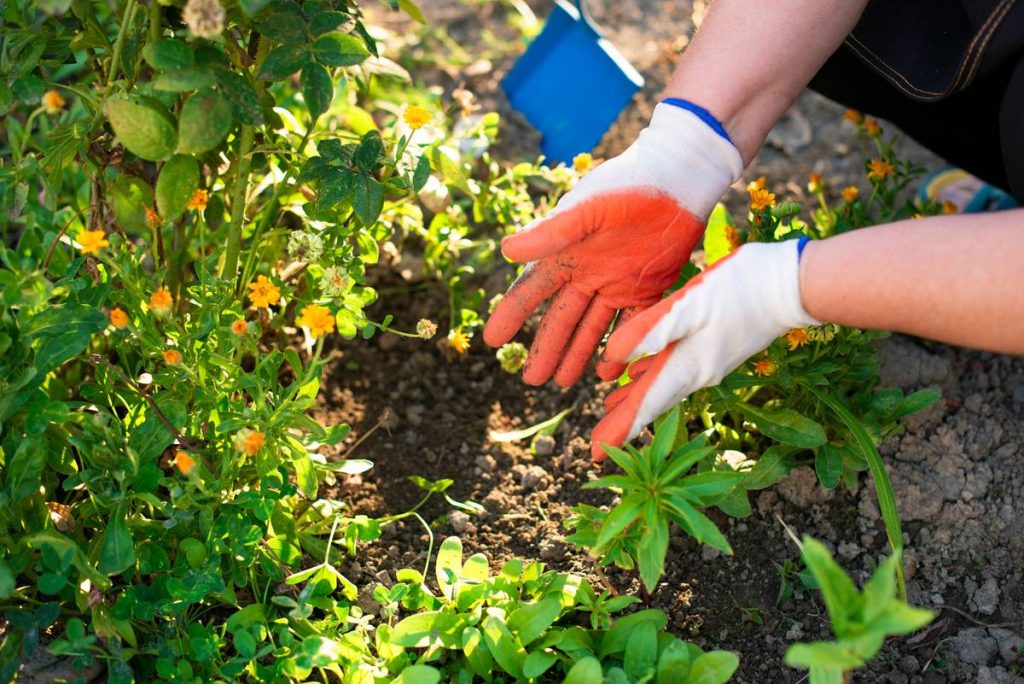
For direct-sown crops (like carrots or beans), mix granules into the top 4–6 inches of soil before planting. For transplants (tomatoes, peppers), apply a light band 2–3 inches away from the stem base to avoid contact burn.
4. Water Immediately After
Granular fertilizers require moisture to break down and release nutrients. Skip this step, and you risk salt buildup. A deep, gentle soak ensures even distribution and activates the formula.
Best Practices for Maximum Yield
- Less is more: Use half the recommended rate if you haven’t tested your soil.
- Reapply wisely: Heavy feeders (corn, cucumbers) benefit from a second application at flowering—but never exceed package rates.
- Avoid “terrible tip” territory: Never toss granules onto wet foliage. It sticks, concentrates, and causes leaf scorch. Always apply to dry soil.
- Store properly: Keep bags sealed in a cool, dry place. Moisture turns granules into useless clumps.
Real Results from Backyard Trials
Last season, I ran a side-by-side test in my 4×8 raised bed: one half used a measured dose of 5-10-10 granular fertilizer for vegetables, while the other relied solely on compost. The fertilized section produced 32 lbs of tomatoes versus 19 lbs in the compost-only zone—a 68% increase. Crucially, the fertilized plants showed deeper green coloration and fewer blossom-end rot incidents, likely due to consistent calcium availability (many quality veggie granules include secondary nutrients like Ca and Mg).
This aligns with USDA findings that balanced, slow-release fertilization improves both yield and nutrient density in home-grown produce (USDA, 2021). Remember, we’re not just growing food—we’re growing better food.
Frequently Asked Questions
Is granular fertilizer safe for organic vegetable gardens?
It depends on the ingredients. Look for OMRI-listed products containing natural sources like bone meal, rock phosphate, or sulfate of potash. Avoid synthetics like ammonium nitrate if you’re gardening organically.
How often should I apply granular fertilizer to vegetables?
Once at planting is usually sufficient for light feeders (lettuce, radishes). For tomatoes, peppers, and squash, a second mid-season application boosts fruit set—just don’t exceed total seasonal nitrogen limits.
Can I mix granular fertilizer with compost?
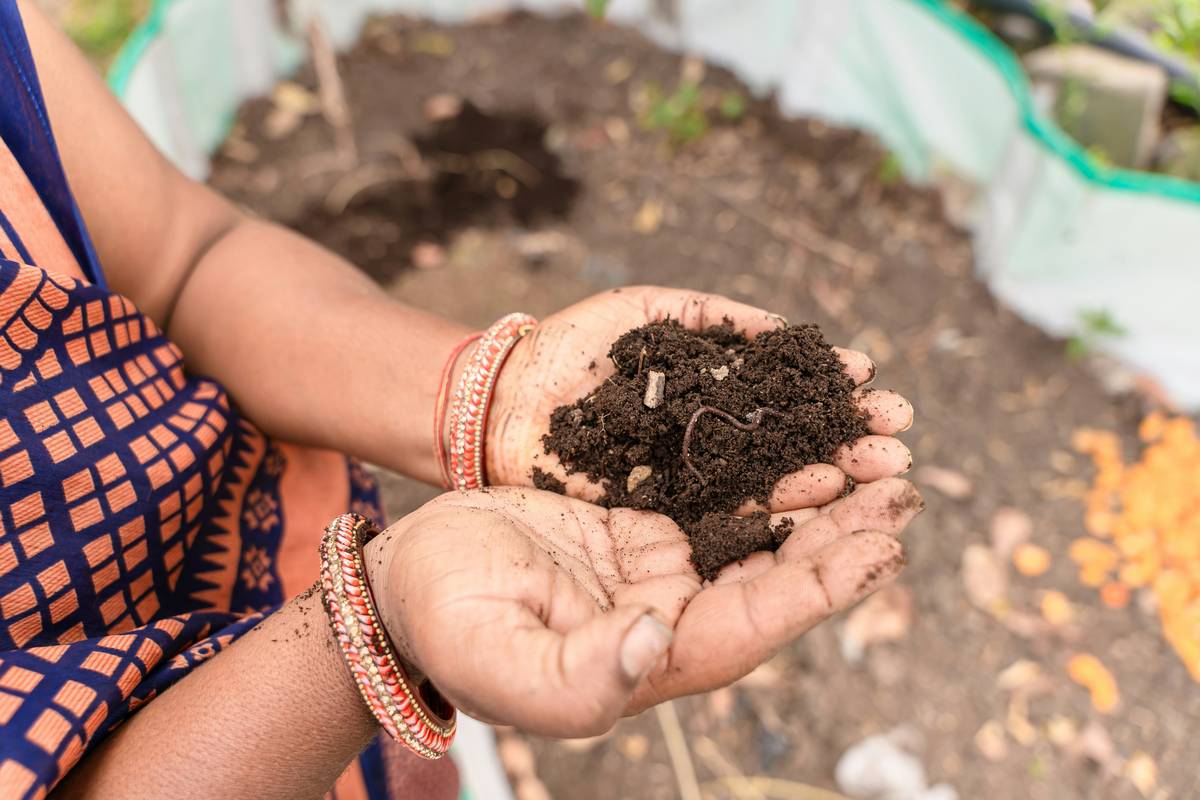
Yes! Compost improves soil structure while granular fertilizer provides targeted nutrients. Mix them into the topsoil before planting for synergistic benefits.
What’s the shelf life of granular fertilizer for vegetables?
Properly stored (cool, dry, sealed), most granular formulas remain effective for 3–5 years. Clumping or caking doesn’t always mean it’s expired—break it up and test on a small area first.
Does rain wash away granular fertilizer?
Minimal loss occurs if applied correctly. Granules bind to soil particles, especially in loamy or clay soils. For sandy plots, incorporate into the soil rather than surface-applying.
Why are my plants still yellow after using granular fertilizer?
Yellowing often signals pH imbalance or micronutrient deficiency—not necessarily nitrogen lack. Get a soil test before adding more fertilizer; excess can worsen the problem.
Got more questions or need personalized advice? We’ve helped hundreds of home growers optimize their yields—reach out to our team. And if you’re curious about our approach, learn more about us. Your data stays private—see our Privacy Policy for details.
Remember: great gardens aren’t built on guesswork. They’re grown grain by grain—with patience, precision, and the right granular fertilizer for vegetables.